
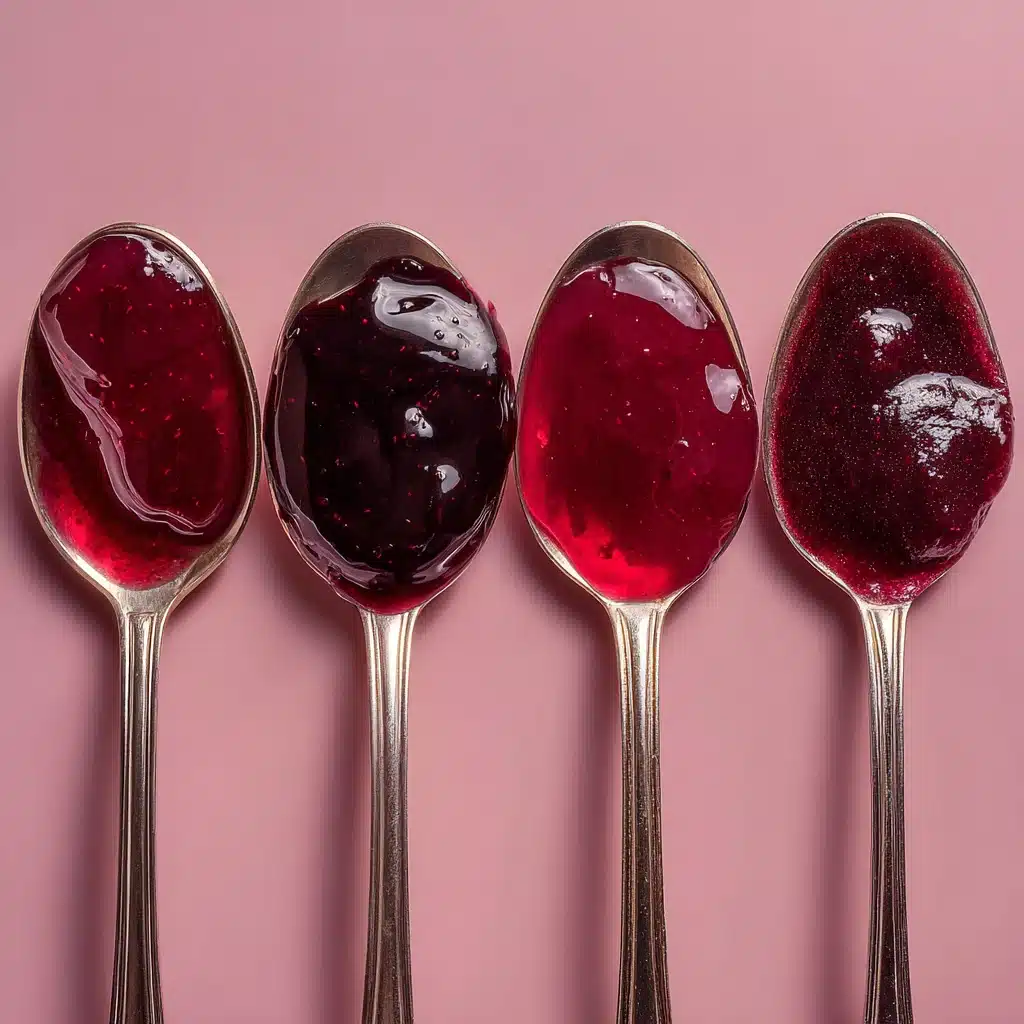
Low sugar jam lets the natural sweetness of the fruit lead. In this guide you will find a basic method for making low sugar jam, quick chia and freezer versions, water bath canning steps, troubleshooting tips, and a list of fruit combinations that work well in Mason jars.
Inside the World of Jam Recipes
How to Make Low Sugar Jam with Ingredients You Already Have
You can make low sugar jam by simmering fresh fruit with a small amount of natural sweetener until it thickens into a soft spreadable texture.
Quick Answer Box
• Use ripe fruit which offers natural sweetness
• Add lemon juice for brightness and safe acidity
• Simmer on a gentle stove until the mixture coats a spoon
• Sweeten lightly with honey or maple if needed
• Store in clean Mason jars for freshness
Definition
Low sugar jam is a homemade fruit spread that relies on ripe fruit and slow cooking rather than heavy sugar for flavor and preservation.
Simple Steps for Reliable Small Batch Success
- Wash and chop two to three cups of ripe fruit
- Add two tablespoons of water to prevent early scorching
- Stir in one to two teaspoons of lemon juice
- Bring to a slow simmer and mash fruit as it softens
- Taste near the end then add only enough natural sweetener to support the fruit
- Cook until the jam thickens and a spoon leaves a visible trail
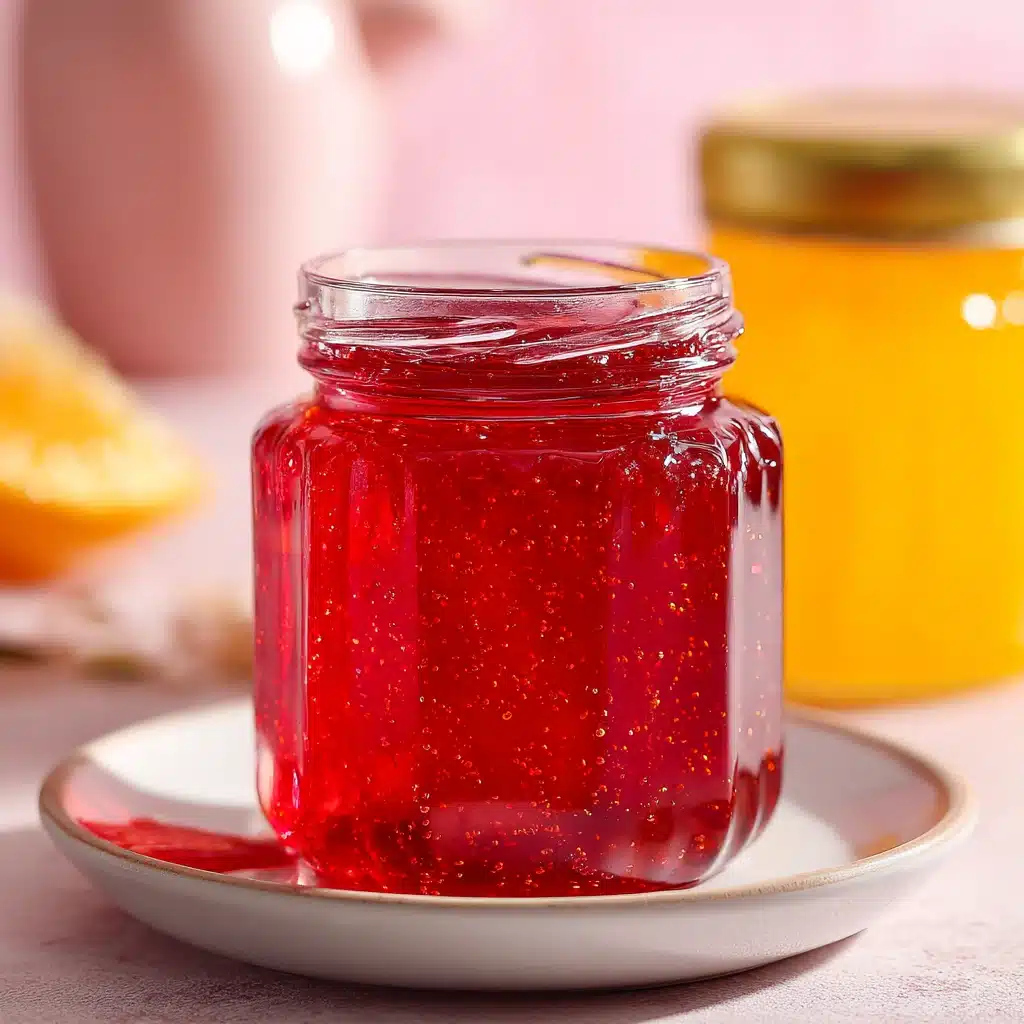
Why Home Cooks Choose Mason Jars for Long Lasting Freshness
Home cooks choose Mason jars because their thick glass and tight sealing lids help jam stay fresh, flavorful, and safely stored for longer periods.
• Thick tempered glass protects texture and color
• Two part lids create a dependable airtight seal
• Easy to sterilize for safe jam storage
• Shapes and sizes fit both small batch and large batch preserves
• Ideal for low sugar jam which needs reliable closure
What Makes a Mason Jar Different from Regular Jars
Use canning-rated Mason jars rather than reused jars from store-bought foods. Canning jars are made to handle heat changes and to seal properly with two-piece lids.
Simple Ways to Make Jam Lighter
You can make jam lighter by relying on ripe fruit for sweetness and using chia seeds to help it thicken.
• Use ripe fruit for natural sweetness
• Add chia seeds for fiber and thickness
• Sweeten lightly with honey or maple if needed
• Simmer slowly to keep flavors bright
• Store in small Mason jars for easy portioning
Why Choose Low Sugar Jam
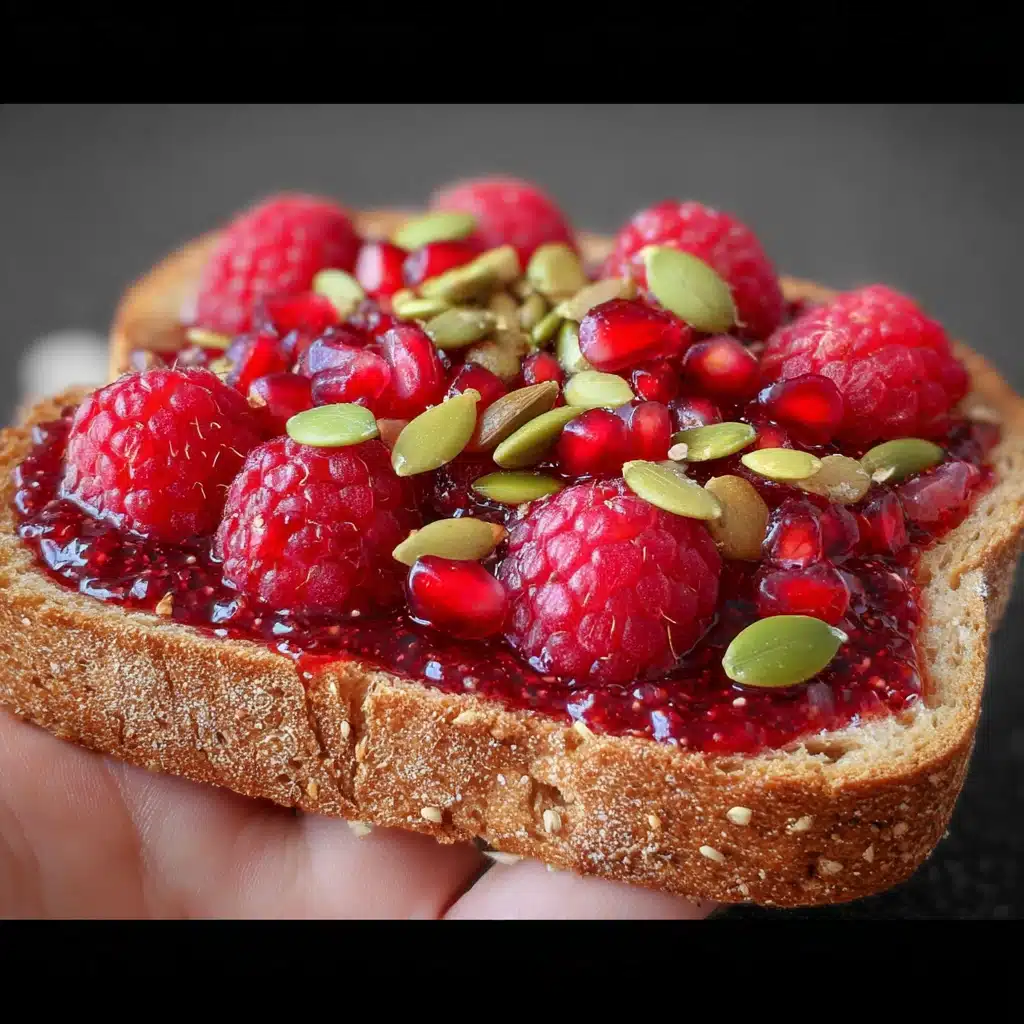
Low sugar jam uses less added sugar than traditional recipes, so the fruit flavor comes through more clearly. Chia seeds can be used to thicken it naturally and add a little fiber. If you are managing a health condition such as diabetes, check with your doctor or a dietitian about what fits your diet.
Quick Chia Jam Method
A quick way to make jam is to mash fruit and stir in chia seeds, which thicken it without long simmering or added pectin.
• Mash soft fruit in a bowl
• Warm briefly on the stove or in the microwave
• Stir in chia seeds for natural thickening
• Sweeten lightly only if needed
• Chill to set then store in Mason jars
• No long boiling or canning required
Understanding the Viral Freezer Jam Style
The freezer jam method is beloved online because it protects the bright flavor of fresh fruit. Instead of cooking fruit until it darkens you gently warm it and let the chia seeds do the thickening. This helps preserve vitamins and keeps the color fresh which feels appealing for women who want natural flavor without heavy sugar. It also reduces the energy needed on warm days when the stove feels too demanding.
Freezer jam takes only a few minutes and keeps the fruit tasting fresh and bright, which makes it a good option when you have just a small amount of berries.
This method is handy when you want a small batch fast. Chia jam should be kept in the refrigerator and used within about a week, or frozen for longer storage.
How to Store Jam in Mason Jars for Winter
You can store jam for winter by filling warm Mason jars with hot jam, sealing them tightly, and processing them in a water bath to keep the flavor safe and bright for months.
• Use sterilized Mason jars
• Fill jars while jam is still hot
• Wipe rims clean before placing lids
• Process in a gentle water bath
• Cool without touching the lids
• Label and store in a cool dark place
The Simple Steps for Long Lasting Freshness
- Wash Mason jars with hot soapy water then place them in simmering water to sterilize
- Heat lids in a small pot of hot water so the rings soften
- Spoon hot jam into the jars leaving a bit of headspace
- Wipe any spills from the rim to ensure a clean seal
- Twist lids until fingertip tight
- Lower jars into boiling water for ten to twelve minutes
- Lift them out and let them cool on a clean towel without touching the lids
- Listen for the gentle pop which means the seal has formed
Food safety experts recommend this classic water bath method because it protects jam from spoilage and keeps fruit color steady. Low sugar jams benefit even more from a strong seal since they rely less on sugar for preservation.
Troubleshooting: Fix Jam Texture Issues Easily
You can fix jam texture issues by reheating it gently and simmering longer for thickness or adding a splash of water for softness.
Quick Answer Box
• Jam too runny simmer longer
• Jam too thick thin with warm water
• Jam grainy stir slowly to dissolve sugar
• Fruit separating mash more early in cooking
• Too sweet balance with lemon juice
• Too dull brighten with a pinch of salt
Why Low Sugar and Pectin Free Jams Behave Differently
Low sugar and pectin free jams rely on natural fruit fibers and slow evaporation. They thicken more slowly and may cool softer than high sugar versions. Stovetop simmer time matters. A few extra minutes can shift the texture from loose to velvety. If sweetness dominates lemon juice can gently bring the flavor back to balance. For small batch preserves every variable is more noticeable which makes calm adjustments especially helpful.
Quick Fixes for Common Problems
• Runny jam return to the pot and simmer until a spoon leaves a visible line
• Overly firm jam warm gently with two teaspoons of water then cool again
• Gritty sugar keep stirring at lower heat so crystals dissolve
• Separation mash fruit thoroughly at the start for even texture
Jam that does not set the first time can usually be fixed. Humidity, fruit ripeness and cooking time all affect the final texture.
Choose the Right Mason Jar Size for Every Jam Recipe
The best Mason jar size for most jam recipes is the half pint because it keeps flavor fresh and matches small batch cooking.
• Quarter pint jars perfect for testers and gift jars
• Half pint jars ideal for everyday jam use
• Pint jars best for large families or winter storage
• Wide mouth jars easier for chunky fruit pieces
• Smaller jars preserve freshness longer once opened
Understanding Jar Sizes for Small Batch Preserves
Small batch preserves often taste brightest because fruit cooks gently and retains its natural sweetness. Since you typically make only two to four jars at a time the half pint size fits beautifully. Quarter pint jars are wonderful for sampling new fruit combinations or storing berry chia jam which is eaten more quickly. Pint jars work when you have an abundance of fruit or plan to use jam in baking.
Food safety experts recommend choosing jars made for canning rather than repurposed jars from packaged foods. Proper canning jars handle heat changes and create a safer airtight seal.
When Each Size Makes Sense
• Quarter pint for trying new flavors or freezer jam
• Half pint for daily toast and yogurt toppings
• Pint for winter storage or gifting larger portions
• Wide mouth for chunky peach or strawberry jam
Pick the jar size based on how quickly you will use the jam once it is opened.
Comparison Guide: Low Sugar Jam vs Traditional Jam
Low sugar jam relies on ripe fruit and slow cooking for sweetness while traditional jam depends on higher sugar levels for thickening and preservation.
• Low sugar jam tastes more fruit forward
• Traditional jam tastes sweeter
• Low sugar jam has a softer texture
• Traditional jam sets firmer
• Both store well when processed and sealed properly
Comparison Table
| Feature | Low Sugar Jam | Traditional Jam |
|---|---|---|
| Sweetness level | Gentle fruit based | Strong sugar based |
| Thickening method | Natural fibers or chia | Sugar and pectin |
| Flavor profile | Bright and fresh | Deep and candy like |
| Best jar size | Half pint or quarter pint | Half pint or pint |
| Ease of cooking | Quick stovetop simmer | Longer boiling time |
| Added sugar | Low | High |
How Each Style Fits into Your Kitchen Rhythm
Low sugar jam keeps the natural sweetness of the fruit and has a softer set. Traditional jam has its place too, especially when you want a firmer texture for baking or gifting.
Food safety experts note that both versions can be safely stored in Mason jars when processed correctly. The main difference is flavor intention. Low sugar spreads taste like fresh fruit while traditional jams taste like old fashioned candy.
Traditional jam uses a high ratio of sugar, which helps it set firmly and keep longer once opened. Low sugar jam has a softer texture, a fresher fruit flavor, and usually needs to be refrigerated sooner after opening.
Both kinds of jam have their uses. Choose based on taste, texture and how long you need to store it.
Ways to Serve Low Sugar Jam
Low sugar jam pairs well with toast, yogurt, oatmeal, soft cheeses and simple desserts.
• Spread on warm toast with soft butter
• Stir into plain yogurt for a light evening treat
• Add to cottage cheese for protein and comfort
• Spoon over baked oatmeal squares
• Swirl into chamomile tea for aromatic sweetness
• Serve with soft cheeses for a quiet snack
How Jam Recipes Can Be Frozen Safely in Mason Jars
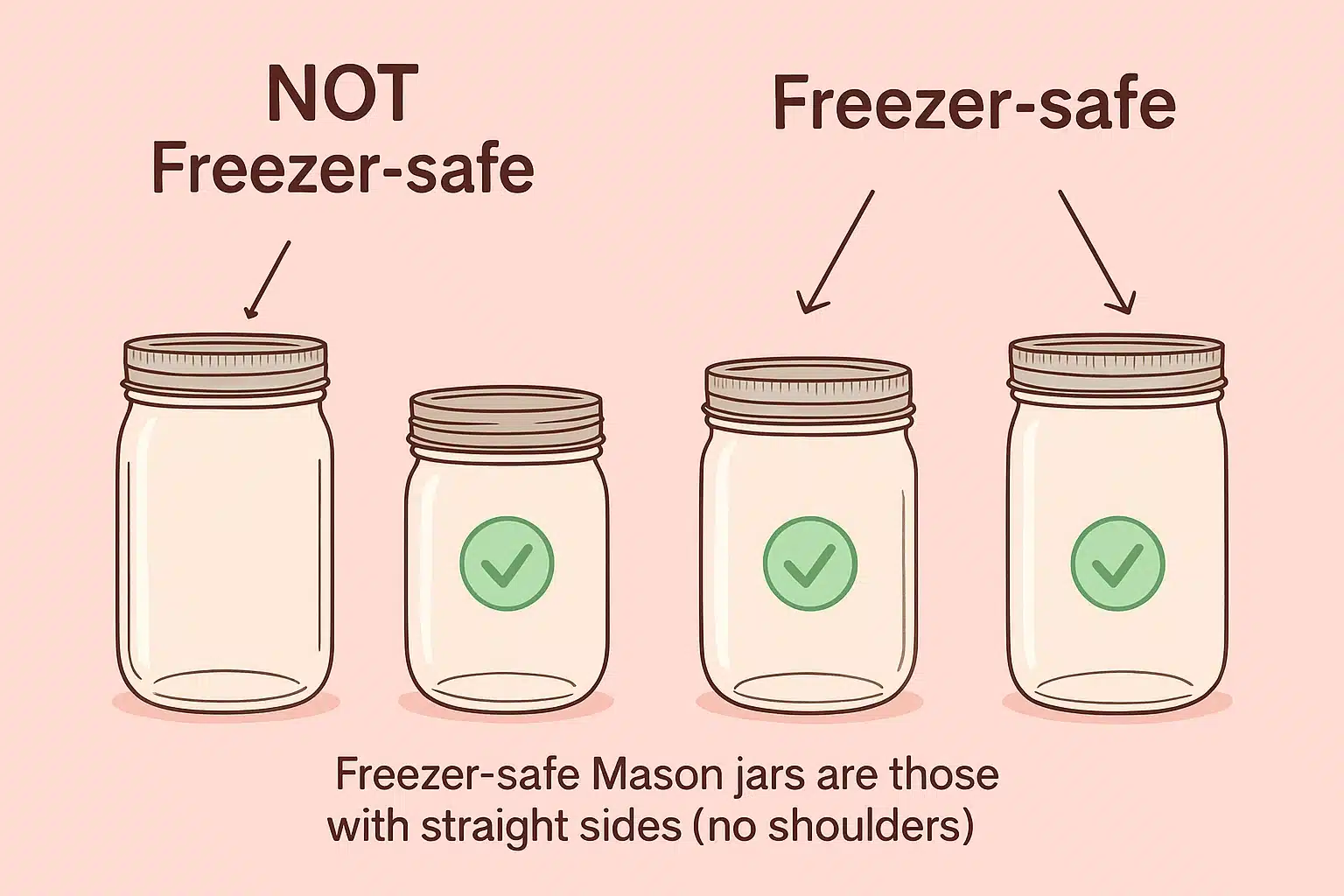
You can freeze jam recipes safely in Mason jars by using freezer safe jars, leaving extra headspace, and cooling the jam completely before placing it in the freezer.
Quick Answer Box
• Choose freezer safe Mason jars
• Cool jam fully before freezing
• Leave extra headspace for expansion
• Seal lids fingertip tight
• Freeze upright for steady texture
• Thaw in the fridge for best flavor
The Simple Freezer Method That Protects Low Sugar Jams
Low sugar jam freezes beautifully because it contains less sugar syrup and more fruit flavor. To keep jars safe choose wide mouth straight sided Mason jars since their shape allows jam to expand without cracking the glass. Fill the jars only to the lower shoulder or about two thirds full. Cool the jam completely so steam does not become trapped inside. Once sealed freeze the jars standing upright. This helps protect the texture especially for chia seed and berry spreads which keep their color bright when frozen gently.
Food safety experts recommend thawing frozen jam in the refrigerator rather than on the counter. This gives a steady texture and protects the natural sweetness.
How to Thaw Jam for Best Flavor
• Move jar from freezer to fridge and let it rest overnight
• Stir gently once softened
• Use within two to three weeks for optimal freshness
• Avoid refreezing since that dulls flavor
Frozen jam keeps its color and flavor well. Thaw it in the refrigerator and use it within a few weeks.
Jam Recipes You Can Store Beautifully in Mason Jars
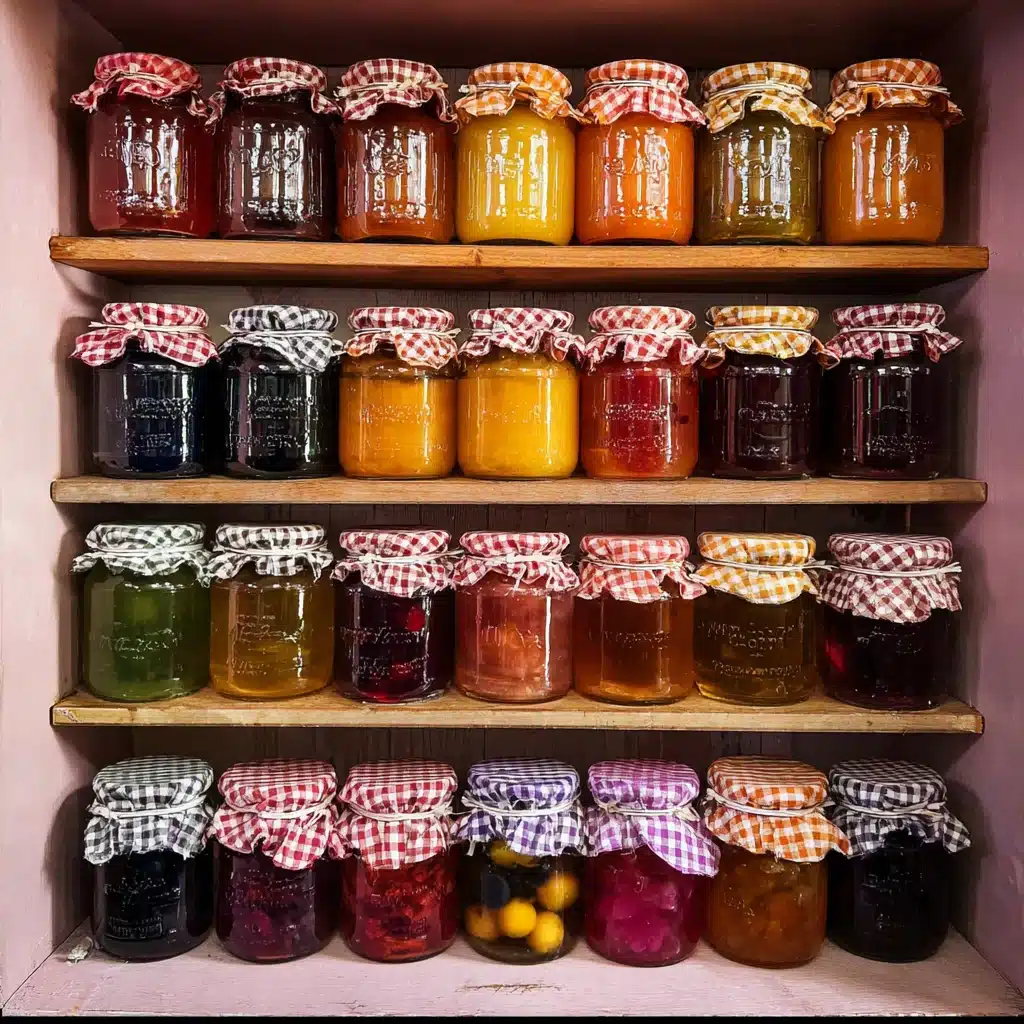
You can store many jam recipes in Mason jars because the jars protect freshness, color, and flavor while keeping each fruit’s personality intact.
• Works for classic berry jams
• Ideal for low sugar spreads
• Perfect for seasonal small batches
• Safe for freezer and pantry
• Helps organize flavors by color and season
A Large List of Jam Recipes Made for Mason Jars
Below is a list of jam ideas that work well in Mason jars, whether you are canning, chilling or freezing. For help choosing jars, see the Mason jar guide.
Berry Jams
• Strawberry summer jam
• Low sugar strawberry chia jam
• Classic raspberry jam
• Triple berry jam with blueberries raspberries and strawberries
• Blueberry lemon jam
• Blackberry vanilla bean jam
• Mixed wild berry jam
• Raspberry peach fusion jam
Stone Fruit Jams
• Classic peach jam
• Peach bourbon jam
• Nectarine honey jam
• Apricot preserve with gentle sweetness
• Plum cinnamon jam
• Cherry almond jam
• Spiced apricot chia jam
Citrus and Bright Flavors
• Orange marmalade
• Lemon honey jam
• Grapefruit thyme jam
• Tangerine sunshine jam
• Blood orange jam with warm notes
Fall and Cozy Jams
• Apple cinnamon jam
• Spiced pear jam
• Cranberry orange holiday jam
• Pumpkin butter style jam
• Maple pear spread
• Cinnamon apple butter jam
Tropical and Refreshing Jams
• Pineapple coconut jam
• Mango ginger jam
• Kiwi lime jam
• Passionfruit jam
• Pineapple mint freezer jam
Garden and Herb Inspired Jams
• Strawberry basil jam
• Blackberry sage jam
• Blueberry lavender jam
• Peach rosemary jam
• Cherry thyme jam
• Raspberry rose petal jam
Specialty Low Sugar Jams
• Blueberry chia jam
• Strawberry chia refrigerator jam
• Peach maple low sugar jam
• Plum honey reduced sugar jam
• Blackberry lemon low sugar spread
• Mixed berry freezer jam with chia
Comforting Winter Jams
• Spiced cranberry jam
• Winter citrus blend jam
• Apple ginger jam
• Pear vanilla comfort jam
• Blackberry wine jam
• Cherry spiced jam
Why These Jam Recipes Shine in Mason Jars
• Mason jars protect delicate colors especially with berry jams
• Straight sided jars keep freezer jams safe
• Smaller jars help with portion control for low sugar spreads
• Clear glass lets you keep track of seasonal abundance
• Easy to label for organized pantry storage
Low sugar jam is simple to make in small batches and easy to store in Mason jars. Start with ripe fruit, cook it until it thickens, and choose the storage method that fits how quickly you will use it.
Frequently Asked Questions
1. What fruit works best for easy jam recipes
Most fruits work beautifully for jam recipes as long as they are ripe and fragrant. Strawberries raspberries blueberries peaches plums and apricots soften quickly and offer natural sweetness that shines in both low sugar and pectin free versions.
2. Can I make jam recipes without adding sugar
Yes you can. Many jam recipes rely on the fruit’s own sweetness supported by lemon juice and longer simmering. Chia seed jam is another option that thickens naturally without added pectin.
3. How long do homemade jam recipes last in Mason jars
If properly water bath canned most jam recipes stay fresh for up to one year in a cool dark pantry. Low sugar versions can last just as long when sealed well. Once opened store them in the refrigerator and enjoy within two to three weeks.
4. Can I freeze jam recipes safely
Absolutely. Freeze jam in straight sided Mason jars that have no shoulders so the glass can expand safely. Always cool the jam completely before freezing and leave extra room at the top for expansion. This method keeps color and flavor bright through winter.
5. What is the easiest jam recipe for beginners
A simple berry jam is the easiest. You only need fresh berries a splash of lemon juice and a patient simmer. Berry jams soften quickly and rarely need added pectin which makes them perfect for small batch learning in a relaxed kitchen.
6. Why do some jam recipes turn runny
Jam can stay runny when the fruit releases extra juice or the mixture needs more simmer time. Simply return it to the pot and cook a few minutes longer until it thickens. A spoon dragged across the bottom will leave a slow gentle trail when it is ready.
7. Are low sugar jam recipes healthier
Low sugar jam recipes contain less added sugar than traditional jam and let the natural flavor of the fruit shine. If you follow a specific diet for health reasons, check with your doctor or a dietitian.
8. Do jam recipes need pectin
No. Many homemade jam recipes thicken beautifully without pectin when simmered slowly. Fruits like berries apricots and plums contain enough natural pectin to create soft spreads. Chia seed jam offers an alternative thickening method with extra fiber.
9. What size Mason jars should I use for jam recipes
Half pint jars are the most common for jam recipes because they keep flavor fresh and offer easy portion size. Quarter pint jars are lovely for gifts or small batches while pint jars work well for families who enjoy jam often.
10. Can I mix different fruits in jam recipes
Yes. Mixed fruit jam recipes create beautiful layers of flavor. Try raspberry peach blueberry lemon strawberry rhubarb or blackberry plum. The key is balancing sweetness and acidity so the fruit sings together instead of competing.