
Sometimes the questions that sneak into our kitchens are the quiet, practical ones like can you microwave mason jars without worrying they’ll crack, pop, or cause a small heart attack before dinner? I’ve stood there myself, spoon in hand, watching leftover soup swirl inside a glass jar and wondering if I could just skip the extra dish. Mason jars feel so sturdy, so familiar like something our grandmothers trusted long before microwaves hummed into our lives. This guide walks you through the truth, the safety, and the small comforts of reheating food the right way.
Are Mason Jars Microwave Safe? Understanding the Basics
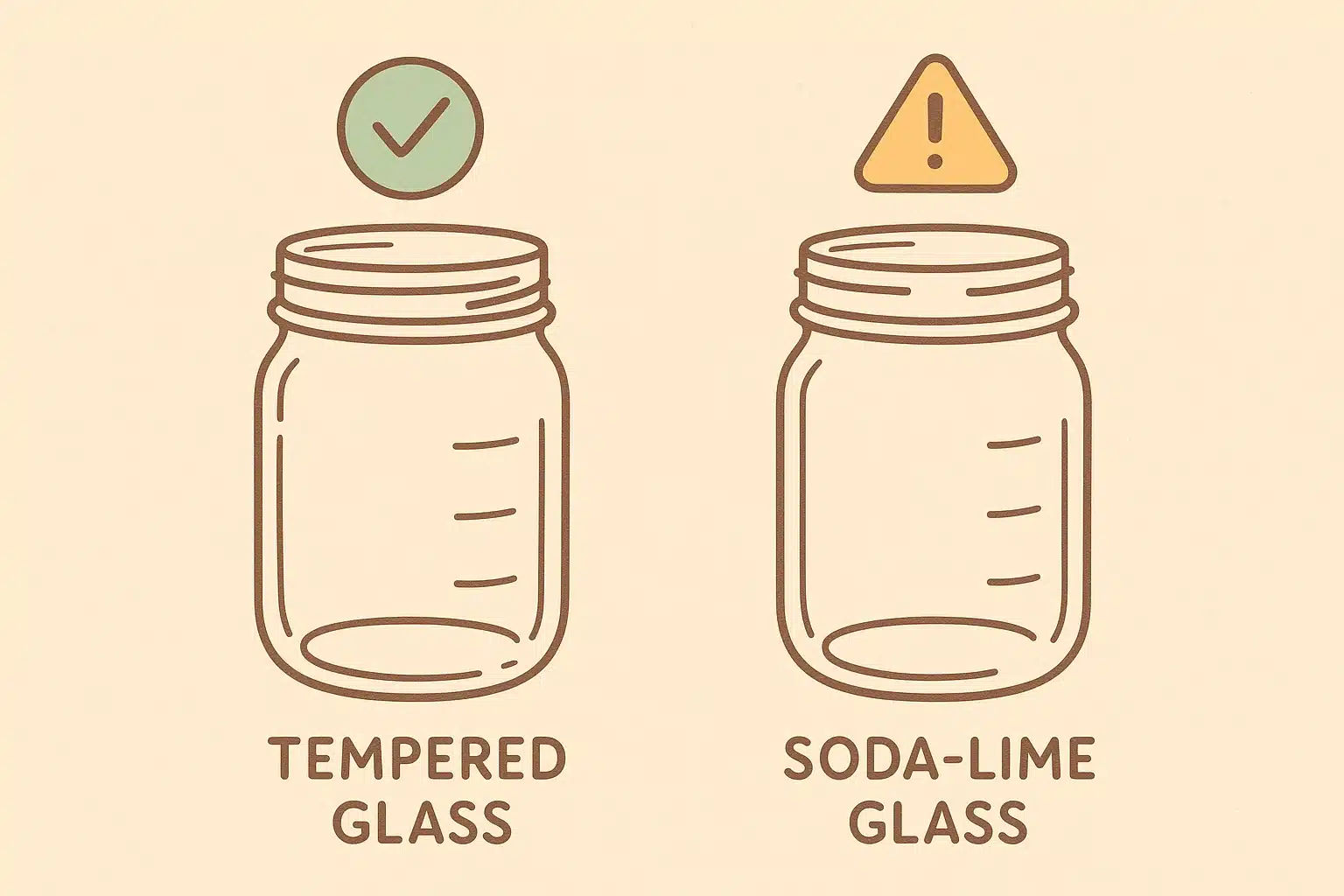
When you hold a mason jar, there’s a kind of quiet trust in its weight thick glass, cool against your palm, the faint memory of summer peaches or homemade broth clinging to its surface. But that familiar sturdiness doesn’t automatically mean it was born for the microwave. And here’s the simple truth: most standard mason jars are not designed with microwaving in mind, even though many people use them that way out of habit or convenience.
The glass itself is usually tempered enough to survive short bursts of heat, but it isn’t engineered for the rapid temperature swings microwaves create. That’s why a jar straight from the fridge can crack suddenly when heated a sharp reminder that glass, for all its beauty, is still fragile. Even Ball and Kerr, the big names in canning, note that microwaving is possible only when the jar is at room temperature and without the lid, because metal bands and sealed tops don’t belong anywhere near a microwave.
Why the Confusion?
Part of the mix-up comes from how mason jars look: solid, dependable, heat-friendly for canning. But canning uses wet heat, a gentle rise in temperature. Microwaves create dry internal steam, which can build pressure inside the jar and cause stress cracks. So yes you can microwave mason jars under certain careful conditions. But should you toss them in casually? Probably not. Think of mason jars like cast iron: wonderfully useful, but deserving of a little respect and patience.
How to Microwave Mason Jars Safely (Without Cracks or Surprises)
The first time I tried microwaving soup in a mason jar, I hovered like a worried parent, hand on the microwave door, ready to snatch it out at the first sign of trouble. Over the years, I’ve learned that glass behaves better when you treat it kindly and mason jars are no exception. If you want to warm leftovers without inviting cracks, pops, or the dreaded spiderweb fracture, a few simple habits make all the difference.
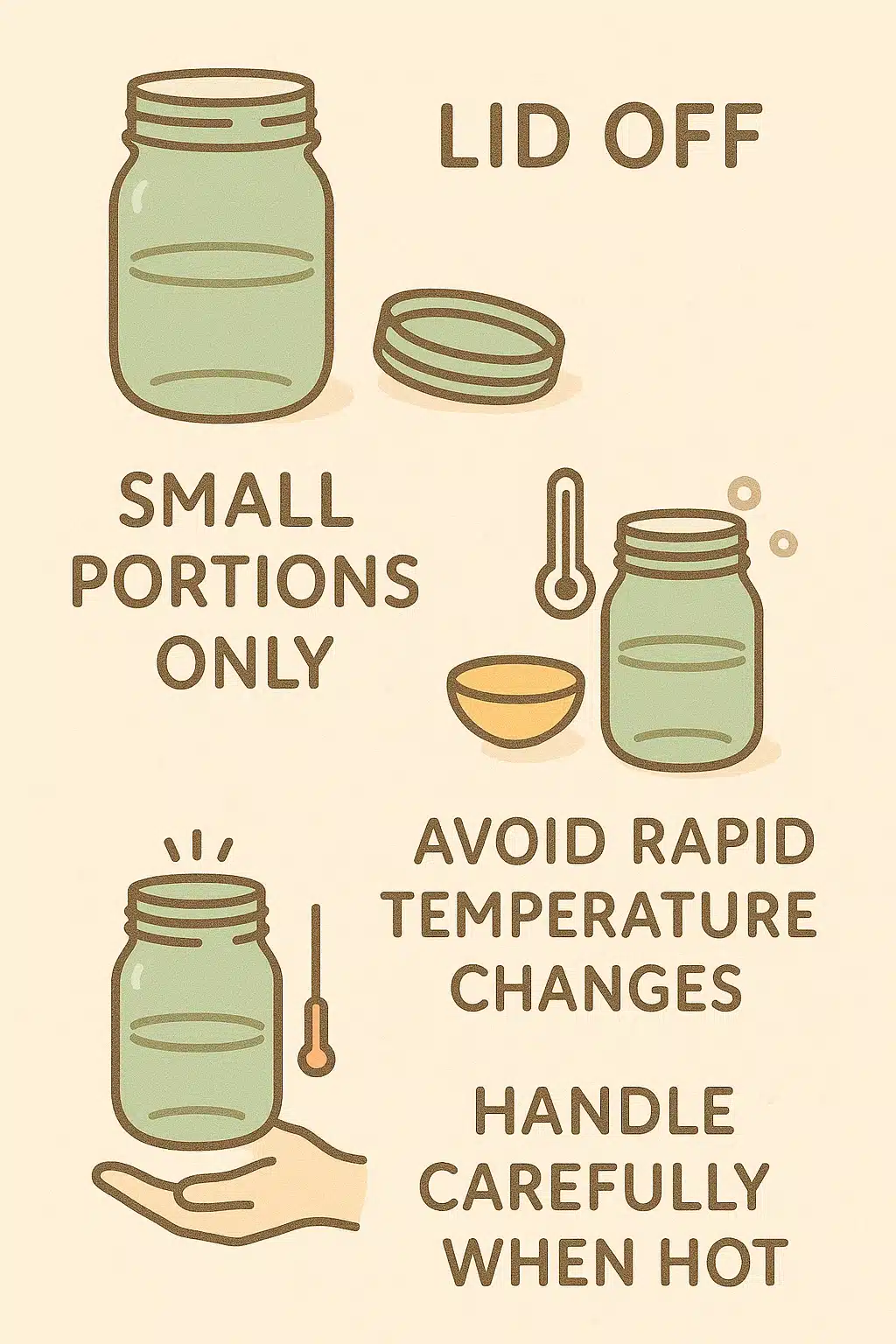
Start with room-temperature jars. A cold jar meeting hot steam is like stepping from a snowstorm into a sauna your body may survive it, but the shock isn’t pleasant. Let refrigerated jars sit on the counter for 10–15 minutes before heating.
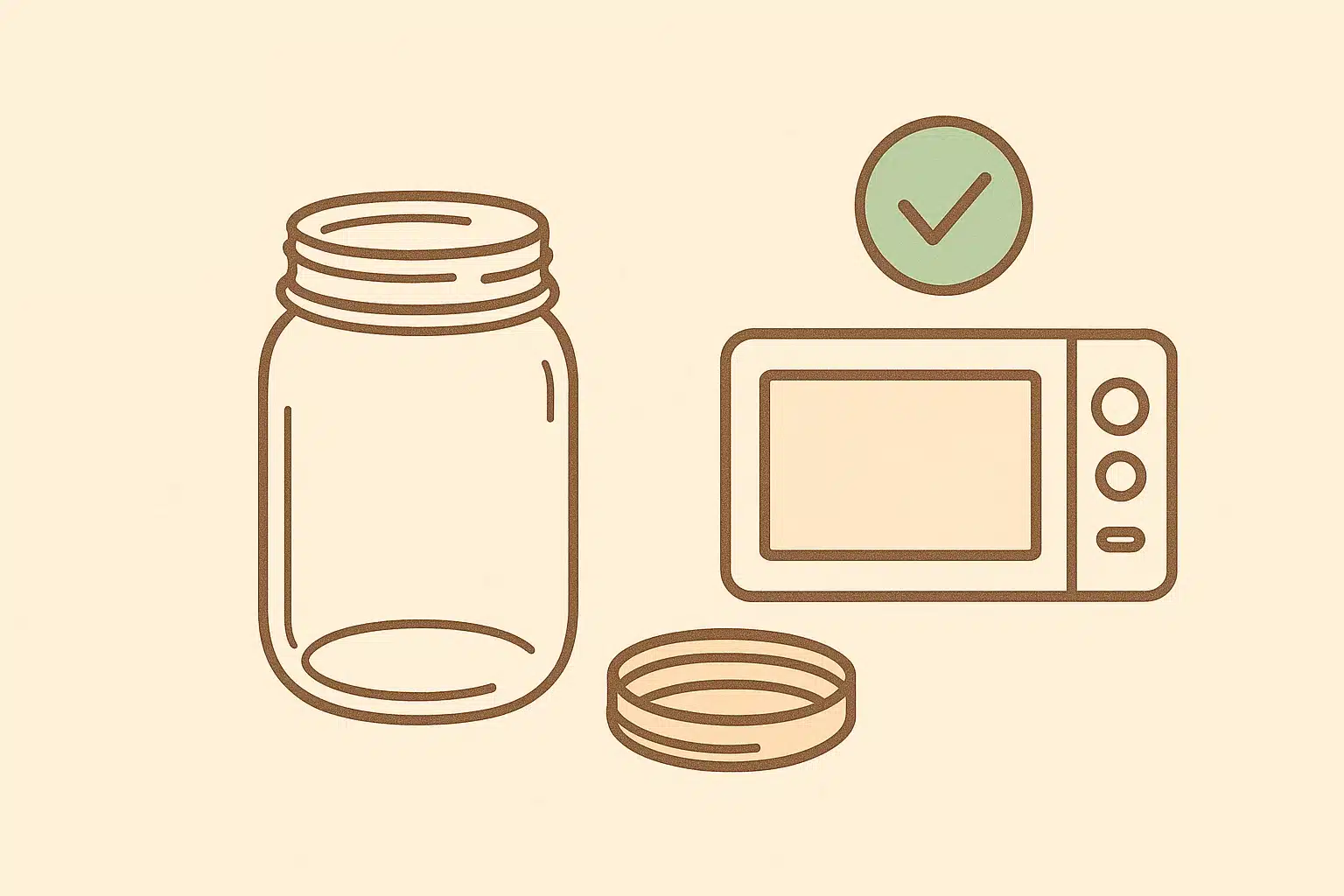
Always remove the lid. Metal bands and air-tight seals trap pressure, and pressure is exactly what you’re trying to avoid. Microwave the jar uncovered or with a paper towel laid loosely on top.
Use short bursts of heat. Thirty seconds at a time allows the food and the glass to warm gently. Between intervals, give the contents a stir so the heat doesn’t pool in one spot.
A Few Things You Should Never Do
- Don’t microwave a jar with cracks or chips they’re weak points waiting to give out.
- Don’t heat high-sugar foods (like caramel) directly in a jar; they get hotter than the glass can handle.
- Don’t grasp the jar with bare hands right away glass holds heat longer than you think.
Handled with care, mason jars can absolutely pull their weight for reheating. It’s all about slowing down, being gentle, and remembering that glass isn’t invincible just dependable when treated right.
When You Shouldn’t Microwave Mason Jars
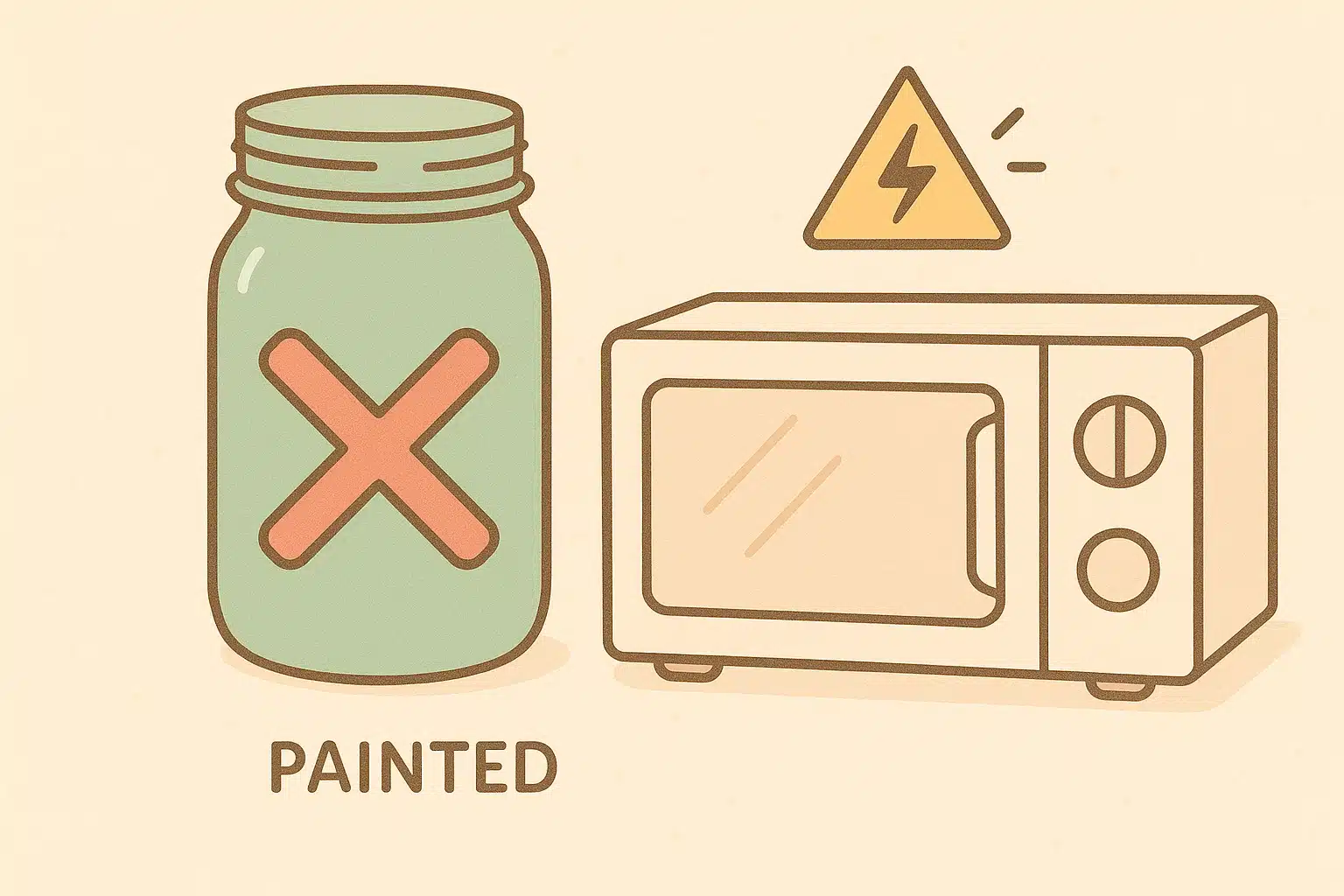
There are moments in the kitchen when your instincts tug at your sleeve that tiny whisper saying, “Maybe not this time.” With mason jars, those instincts are usually right. For all their charm and sturdy shoulders, there are very real situations where microwaving them is asking for trouble.
The biggest culprit? Thermal shock. A mason jar pulled straight from the fridge or freezer has tight, cold glass molecules. When you hit them with sudden heat, they expand too quickly, creating stress lines you can’t always see until they bloom into a full crack. I learned this the hard way with a jar of frozen broth — the bottom gave out like a trapdoor, broth everywhere, my kitchen smelling like chicken soup for days.
Another risk is pressure buildup. Thick foods like oatmeal, chili, or mashed potatoes heat unevenly and can bubble violently. In a narrow jar, steam has nowhere to escape, and that pressure can push against the glass walls until something gives. Even if the jar doesn’t break, the contents can erupt like a tiny volcano the moment you remove it from the microwave.
Situations to Avoid
- Frozen jars their glass is too fragile for sudden heat.
- Tightly packed foods that trap steam.
- Metal lids or rings anywhere near the microwave.
- Old jars with invisible stress cracks from years of canning.
Sometimes the safest choice is simply sliding the food into a microwave-safe bowl. It’s not glamorous, but neither is cleaning soup from ceiling tiles trust me.
Better Alternatives to Microwaving Mason Jars
As much as we love the look of mason jars lined up like soldiers on a pantry shelf, they aren’t always the heroes of reheating. There are gentler, safer, more forgiving options that fit more neatly into a microwave’s rhythm containers that don’t mind sudden heat or a quick zap on a busy morning.
My go-to is borosilicate glass, the kind used in Pyrex and similar brands. It handles temperature swings with grace, almost like it’s shrugging and saying, “Go ahead, heat me I’ve seen worse.” These bowls and dishes give your food more room to breathe, too, which means steam escapes easily and reheating happens more evenly.
For leftovers that need a little flexibility, silicone containers are wonderfully forgiving. They’re light, they won’t shatter, and they hold up beautifully in microwaves. Plus, they collapse down for storage a small miracle in a crowded kitchen.
Why These Alternatives Shine
- Even heating no hot spots or trapped steam.
- No risk of shattering from thermal shock.
- Microwave-safe lids that vent properly.
- Easier cleaning no narrow jar mouths trapping soup.
Mason jars will always have a place in my kitchen for storing grains, packing salads, and showcasing homemade pickles. But when it comes to reheating, there’s a quiet relief in choosing tools that were built for the job. A little intention goes a long way toward gentler mornings and fewer cracked-glass catastrophes.
Tips for Using Mason Jars Safely in Everyday Cooking
Using mason jars in the kitchen feels a bit like weaving old traditions into modern life. They carry stories the clink of jars in a canning pot, the scent of tomatoes simmering on late-summer afternoons, the comfort of homemade broth waiting patiently on a pantry shelf. With just a little care, these jars can serve you beautifully for years without unexpected drama.
One of the most important things you can do is inspect your jars regularly. Even the tiniest chip on the rim or hairline crack along the side can become a weak spot when heat comes into play. Hold the jar up to the light; sometimes flaws only show themselves when illuminated.
Another small but mighty habit: avoid sudden temperature swings. If you’ve poured hot soup into a jar, let it cool a bit before refrigerating. And if you’ve pulled a jar from the fridge, let it warm on the counter before heating the contents. Glass appreciates gentleness.
Everyday Mason Jar Wisdom
- Leave space at the top when filling jars food expands, especially when hot.
- Stir dense foods before and between reheating to prevent steam pockets.
- Store lids separately when refrigerating hot foods so pressure doesn’t build.
- Use wide-mouth jars when possible they’re easier to clean and safer for heating.
Mason jars shine brightest when we treat them like old friends sturdy, reliable, but deserving of a little kindness. A few thoughtful habits can keep them in your rotation without cracks, spills, or unwelcome surprises.
Can You Microwave Mason Jars for Canning or Sterilizing?
There’s a certain romance to canning the slow simmer of fruit on the stove, the rhythmic tightening of rings, the rows of jars cooling like little glass trophies. But when life gets hurried, many of us wonder if the microwave can pinch-hit for sterilizing or even light canning prep. And while it sounds tempting, microwaving mason jars for sterilizing isn’t the safe shortcut we want it to be.
Microwaves heat unevenly, creating hot pockets and cold pockets that make true sterilization unreliable. And because mason jars aren’t engineered for the kind of rapid steam build-up microwaves create, they can crack under the pressure especially if you’re using older jars or ones with tiny stress lines. True canning relies on consistent, full-surface heat, something only boiling water or an oven can offer with confidence.
That said, microwaving small amounts of water inside a mason jar can help pre-warm the jar before filling it with hot ingredients — but this is not the same as sterilizing. It’s more like giving the jar a gentle warm-up so the temperature shift isn’t as shocking.
If your goal is proper food safety, the safest choice is to follow time-tested methods. A beautiful, clear guide I love is from Jarful Memories warm, practical, and rooted in real kitchen experience: How to Sterilize Mason Jars
What You Shouldn’t Use a Microwave For
- Not for complete sterilization — heat is inconsistent.
- Not for canning lids or rings — metal in microwaves is a firm no.
- Not for processing filled jars — pressure changes can cause breakage.
Microwaves have many talents, but replacing the rituals of canning isn’t one of them. Some traditions stay because they work and because they keep us safe.
Common Myths About Microwaving Mason Jars (And the Truth Behind Them)
It’s funny how kitchen myths travel whispered from friend to friend, written on recipe cards, tucked into family lore like little warnings. Mason jars, especially, seem to attract all sorts of half-truths. Maybe it’s because they look so sturdy, or because they’ve been around longer than microwaves themselves. Whatever the reason, it’s time to clear the fog and bring a little truth back into the kitchen.
One of the most common myths is that all glass is microwave-safe. It feels logical glass is heat-resistant, right? But mason jars are made for canning, not thermal shock. Their glass is strong, but not the same kind used in cookware like Pyrex. The truth is: a mason jar can crack if heated too quickly or unevenly, especially if it’s cold or filled with dense food.
Another myth claims that microwaving an empty mason jar is safe. It’s not. Empty glass can heat rapidly, and without food to absorb the energy, the jar can become dangerously hot and more prone to cracking.
Then there’s the cozy-sounding myth that microwaving jars is the fastest way to sterilize them. If only. Microwaves don’t heat evenly, so you can’t rely on them for real sterilization especially not for canning.
The Truth, Plain and Simple
- Mason jars were made for slow, wet heat not quick, dry microwave heat.
- They can be microwaved carefully, but not casually.
- They’re best for storage, not heavy-duty heating or sterilizing.
The real magic of mason jars isn’t in what shortcuts they can take, but in the steady usefulness they bring to everyday cooking. When we pair them with knowledge instead of myths, they last longer and so does the food inside them.
When Mason Jars Belong in the Microwave (and When They Don’t)
By the time you’ve lived with mason jars long enough, they feel like old friends the kind who sit patiently on your shelves, guarding flour, holding broth, or carrying lunch to work. And like old friends, they have their strengths… and their limits. Microwaving is one of those places where knowing the difference makes life gentler, safer, and much less messy.
Yes, you can microwave mason jars, but only when you do it slowly and intentionally: jars at room temperature, lids off, short bursts of heat, and foods that aren’t tightly packed. Used this way, they’re helpful little vessels for warming soup or reheating leftovers without dirtying another dish.
But mason jars don’t belong in the microwave when they’re cold from the fridge, frozen, cracked, sealed shut, or filled with dense foods that trap steam. And they’re never the right choice for sterilizing or canning shortcuts. There’s nothing old-fashioned about safety it’s simply the wisdom passed from one kitchen to another.
A Good Rule of Thumb
If it feels like you’re rushing the jar pushing it into hot or cold extremes pause. Pour the food into a true microwave-safe container. Your jar, your microwave, and probably your ceiling will thank you.
In the end, mason jars shine brightest when we use them for what they do best: holding memories, storing goodness, and standing loyally in our kitchens. Treat them kindly, and they’ll stay with you for a lifetime.
Frequently Asked Questions
Can you microwave mason jars with the lid on?
No never. The metal lid and ring can spark in the microwave, and an airtight lid traps steam that builds pressure inside the jar. Always remove the lid completely before heating.
Is it safe to microwave cold mason jars from the fridge?
Not safely. Cold glass meeting sudden heat is a classic recipe for thermal shock, which can crack the jar from the inside out. Let the jar warm on the counter for 10–15 minutes first.
How long can you safely microwave a mason jar?
Short bursts are best — usually 30 seconds at a time, stirring in between. This warms both the food and the glass gently and avoids hot spots that stress the jar.
Can you sterilize mason jars in the microwave?
No. Microwaves heat unevenly, which means the jar won’t be reliably sterilized for canning. It’s safer to use boiling water or the oven. (A full guide is linked in your article.)
Why do mason jars sometimes crack in the microwave?
Cracks usually come from thermal shock, hidden stress lines, or pressure buildup from thick foods like oatmeal. Even though jars feel sturdy, they don’t handle rapid temperature changes well.
Are all mason jars microwave-safe?
Not necessarily. Most can be microwaved cautiously, but they aren’t specifically designed for microwave heat. Always check for cracks, remove the lid, and heat gradually.
What foods shouldn’t be microwaved in mason jars?
Dense foods like chili, mashed potatoes, or oatmeal can trap steam and cause splattering or pressure buildup. High-sugar foods (like caramel) can overheat and stress the glass.
What’s the best alternative to microwaving mason jars?
Borosilicate glass containers (like Pyrex) or silicone microwave-safe bowls. They handle heat changes more gracefully and reduce the risk of breakage.
Can you microwave mason jars?
Yes but only with care. Mason jars can handle gentle reheating if they’re at room temperature, the lid is removed, and the food is heated in short intervals. They’re not designed for fast or intense microwave heat.
Can you put glass jars in the microwave?
Some glass jars are microwave-safe, but not all. Cookware glass (like Pyrex) handles heat well, but reused jars — like pasta sauce jars or canning jars — may crack from sudden temperature changes. Always check for chips and avoid heating cold jars.
Are Ball Mason jars microwave safe?
Ball Mason jars can be microwaved with caution, according to the manufacturer — but they are not specifically engineered for microwave use. They warn against:
microwaving cold jars
microwaving with the lid on
microwaving thick or sugary foods
heating for long, uninterrupted periods
They’re sturdy, but not thermal-shock-proof.
How do I know if a jar is microwave safe?
A microwave-safe jar usually has:
a symbol showing wavy microwave lines
thick, smooth glass without bubbles or stress lines
a manufacturer’s note confirming microwave use
If there’s no symbol, assume it may not be safe. When in doubt, heat a small amount of water inside it for 30 seconds if the jar itself gets hotter than the water, it’s not microwave-safe.
Are Mason jars heat safe?
Mason jars are heat-safe for slow, wet heat like canning, but they’re not meant for the rapid, uneven heat of microwaves. They can handle boiling water and canning processes, but they may crack under sudden temperature shifts.
Can You Microwave Mason Jars?
Yes, you can microwave mason jars, but only if the jar has a microwave-safe symbol and you follow basic safety rules.
Mason jars are made from non-reactive glass, but they still get extremely hot in the microwave. Always remove the metal lid, warm the jar in short intervals, and avoid microwaving very cold or frozen jars. Do not use mason jars for long or high-heat microwave cooking, since rapid temperature changes can cause the glass to crack.
1 thought on “Can You Microwave Mason Jars ? A Simple Kitchen Guide”