
These homemade Korean cucumber pickles are crisp, spicy and slightly sweet, made with cucumbers, chili flakes, garlic and vinegar using ingredients you can find in any US grocery store. They are quick to make and pair well with rice, Korean barbecue or as a side dish (banchan). For help choosing jars, see the Mason Jar Guide.
What Makes Korean Pickled Cucumber Different
There’s a kind of poetry in the way Korean pickles oi muchim or oi sobagi balance flavor. Unlike Western dill or bread-and-butter pickles that rely mostly on vinegar, Korean pickled cucumbers dance on the edge of sweet, spicy, salty, and garlicky all at once. The result is not just a condiment but a conversation — each bite bright, layered, and alive.
Korean pickling, or jangajji, isn’t only about preservation. It’s about transformation. Cucumbers are salted first to draw out their water, then dressed in a sauce made from gochugaru (Korean red pepper flakes), rice vinegar, soy sauce, a touch of sugar, and plenty of fresh garlic. That combination creates a pickle that’s crisp on the outside and tender within, with a lingering heat that feels almost affectionate.
The Flavor Philosophy
At its heart, Korean pickling celebrates harmony no single taste should overpower another. Even the spice carries warmth instead of aggression. The cucumbers absorb flavor quickly, making them perfect for quick-pickle recipes that fit into modern American kitchens. And while these pickles are served as banchan (side dishes) in Korea, they’re equally at home next to a grilled cheese or tucked into tacos here in the USA.
It’s a bridge between cultures: tradition in a glass jar, glowing red and fragrant, waiting to brighten any meal.
Ingredients for Homemade Korean Cucumber Pickles (USA Edition)
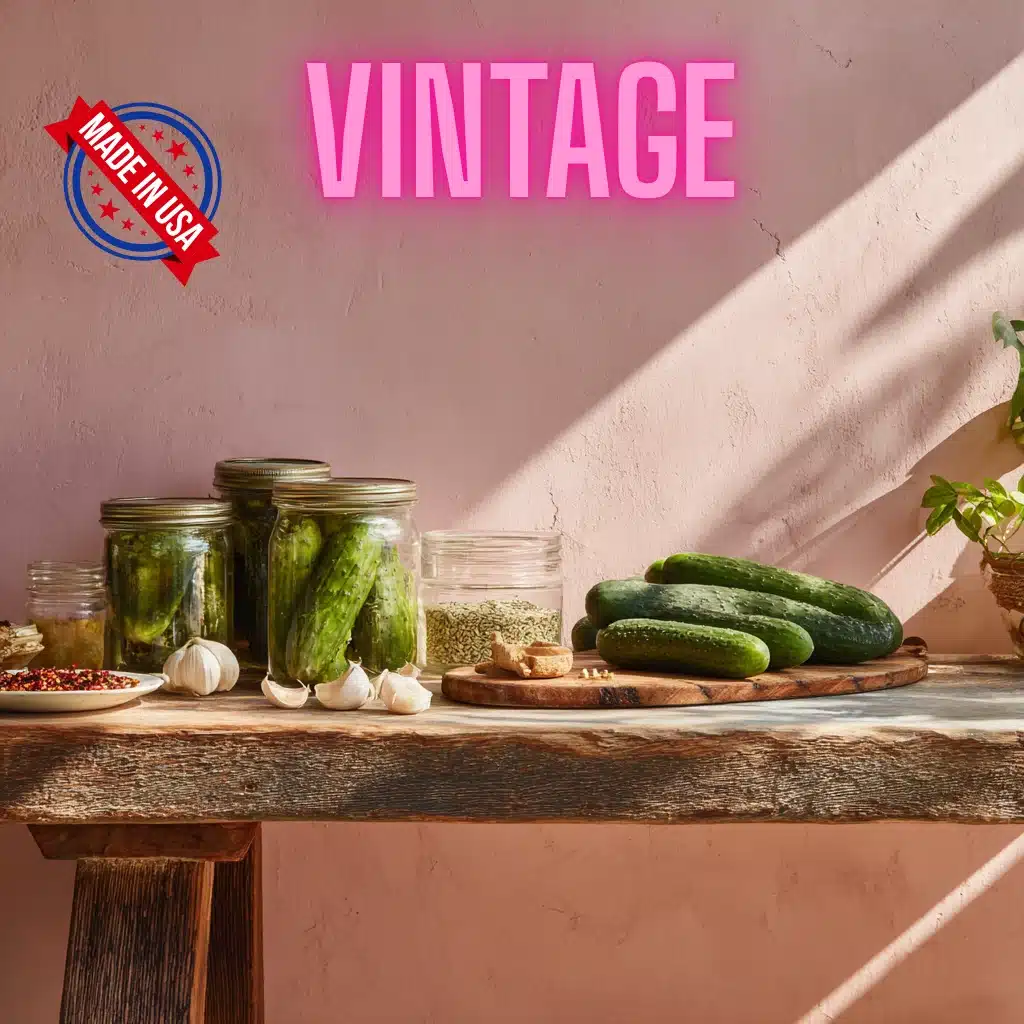
If Korean pickles are poetry, then their ingredients are the words that make it sing. The best part? Every single one can be found right here in the USA often just a short drive or click away.
Building Flavor, One Ingredient at a Time
Here’s what you’ll need to bring these oi muchim-style pickles to life:
- Cucumbers: In Korea, small and firm cucumbers are prized for their crunch. In the U.S., look for Persian, Kirby, or mini cucumbers. Avoid waxy varieties they can dull the flavors.
- Salt: Any coarse sea salt works, though Korean solar salt (cheonilyeom) adds a subtle sweetness. This first salting step gives that perfect snap when you bite in.
- Gochugaru (Korean chili flakes): This is the soul of the recipe. Mildly smoky, slightly sweet, and beautifully red. You’ll find it in most Asian grocery stores or online brands like Chung Jung One or Mother-in-Law’s are reliable in the USA.
- Rice vinegar: Soft and tangy, it balances the chili heat without overpowering it. If you can’t find it, apple cider vinegar is a gentle substitute.
- Garlic and green onion: Essential aromatics that bring that unmistakable Korean kitchen aroma spicy, earthy, comforting.
- Sugar: Just enough to soften the edges of the heat. Brown sugar adds a deeper note, almost caramel-like.
- Soy sauce or fish sauce (optional): For a deeper umami undertone not always traditional in quick cucumber pickles, but absolutely delicious.
Each ingredient plays a role in that han-sik balance Koreans hold dear harmony between boldness and restraint, spice and coolness, tradition and adaptation.
And the magic? You don’t need anything fancy just fresh cucumbers, clean jars, and a few pantry staples to capture the taste of Seoul in your American kitchen.
How to Prepare Cucumbers for Pickling
There’s a quiet ritual in preparing cucumbers for pickling one that rewards patience and respect for texture. In Korean kitchens, this step isn’t rushed; it’s the foundation of that signature crunch that makes every bite feel alive.
The Art of the Salt Soak
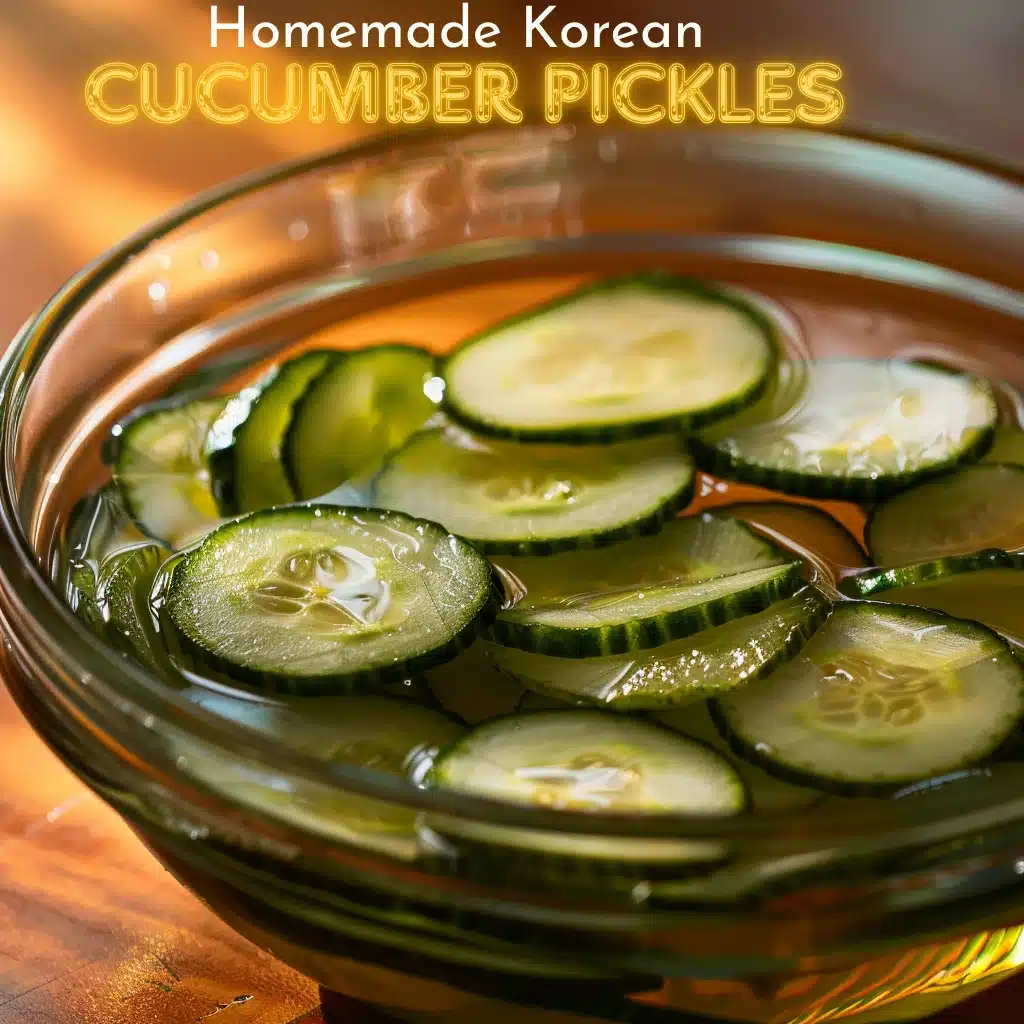
Start by giving your cucumbers a good rinse, then slice them into bite-sized rounds about a quarter inch thick. You can also cut them into batons if you prefer a snackable shape. Next comes the crucial step: the salt soak.
Place the cucumbers in a large bowl and sprinkle them generously with coarse salt. Gently toss them with your hands, coating each piece evenly. Then let them rest for 20–30 minutes. During this time, you’ll notice small puddles forming at the bottom of the bowl that’s the water leaving the cucumbers.
Why does this matter? Because removing excess moisture means the cucumbers can later soak up flavor instead of diluting it. The salt firms up the texture, turning a watery vegetable into something crisp, vibrant, and ready to embrace spice.
After salting, rinse the slices quickly under cold water to remove the extra salt, then pat them dry with a clean towel. They should feel cool and just slightly pliable like they’re taking a deep breath before the transformation begins.
That’s when you know they’re ready. Ready for the bold, fiery dressing that will turn these humble green slices into something unforgettable.
Mixing the Korean Pickle Marinade
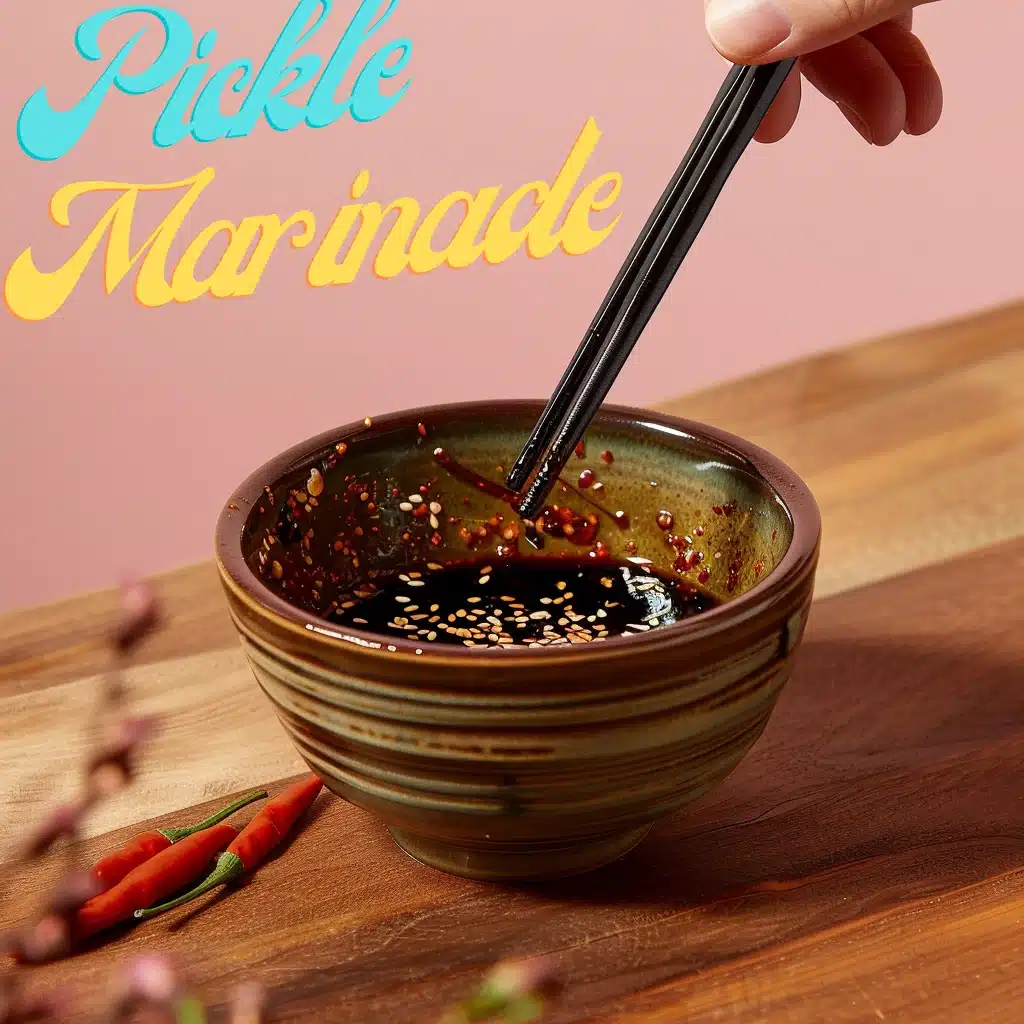
The Korean pickle marinade is where the flavor comes together: chili flakes for heat, a little sugar for balance, and garlic for depth. Taste and adjust it before pouring it over the cucumbers.
Finding Your Perfect Flavor Balance
In a medium mixing bowl, combine the following:
- 1 tablespoon gochugaru (Korean chili flakes)
- 1 tablespoon rice vinegar
- 1 tablespoon soy sauce or fish sauce (optional but deeply flavorful)
- 1 teaspoon sugar (adjust to taste)
- 2 cloves minced garlic
- 1 finely chopped green onion
- 1 teaspoon sesame oil (for richness)
Mix gently until the sugar dissolves and the ingredients turn into a thick, ruby-red paste. The scent should make your eyes dance a little garlicky, spicy, and softly tangy.
Here’s where you personalize it:
- If you love heat, add an extra half spoon of gochugaru.
- If you prefer a milder bite, add a splash more vinegar or a few extra cucumber slices to soften the flavor.
- For a deeper umami tone, stir in a dash of soy sauce or a few drops of fish sauce.
The key is balance every Korean cook has their own version, and no two bowls taste quite the same. It’s not about precision; it’s about harmony. The marinade should cling to the spoon but still drip slowly, coating your fingers with just enough spice to make you crave rice.
Once the sauce feels right bold but kind it’s ready to meet your salted cucumbers.
Combining and Storing Your Korean Pickles
There’s a quiet joy in this step the moment when everything mingles and the air fills with that unmistakable mix of chili, garlic, and vinegar. You’ve salted, you’ve mixed, and now it’s time to let the cucumbers meet their destiny.
How the Flavors Bloom Over Time
Place your salted and dried cucumber slices into a clean mixing bowl. Spoon the marinade over them and gently toss with your hands or a spatula. Make sure each slice glistens every piece should be kissed by the sauce, not swimming in it. Korean pickles aren’t meant to drown; they thrive in balance.
Taste one. Right now, it’ll be bright and bold the chili sharp, the vinegar lively. But over the next few hours, something beautiful happens. The cucumbers start to soak up the flavors, mellowing the spice and rounding the sweetness. It’s transformation in slow motion.
Transfer the pickles into a glass jar or airtight container, pressing them down lightly to remove any air pockets. Refrigerate for at least 2–3 hours, though overnight is best. By the next day, the flavors will have bloomed — a soft harmony of spice, tang, and crunch.
Stored properly in the fridge, these pickles will stay fresh and delicious for up to 7 days. The longer they rest, the deeper the flavor becomes but that first taste, right after mixing, has its own fiery charm too.
Whether you spoon them over rice, tuck them into sandwiches, or eat them straight from the jar at midnight, these homemade Korean cucumber pickles made in the USA will keep you company in the best way possible bright, honest, and alive.
Serving Ideas and a Little Kitchen Story
There’s something special about opening the fridge and spotting that jar — a little spark of red and green waiting to brighten anything you cook. Homemade Korean cucumber pickles aren’t just a side dish; they’re an invitation. A reminder that flavor doesn’t need to be complicated to feel alive.
Simple Ways to Serve and Savor
Try them as the Koreans do alongside a bowl of steamed rice, a few slices of grilled pork belly (samgyeopsal), and maybe a spoonful of kimchi. Or take them your own way:
- Tuck them into a turkey sandwich or burger for a spicy-sweet crunch.
- Add them to a rice bowl or salad for instant brightness.
- Chop finely and mix with Greek yogurt or mayo for a quick, tangy sauce.
Each bite tells a story of contrast hot and cool, sweet and sharp, familiar yet foreign.
I still remember the first time I made these pickles in my small apartment kitchen in California. The scent of garlic and chili filled the air, and for a moment, it felt like I was standing in a Seoul marketplace, the chatter and color alive around me. I tasted one before dinner — it was too early, really — and the heat rushed up behind the sweetness, surprising and comforting all at once.
That’s what I love about this recipe. It connects kitchens across oceans. You can find the ingredients at your local store, stir them together in ten minutes, and still taste the history of a culture that understands how food can be both humble and extraordinary.
So keep that jar close. It’s not just pickles it’s a bridge between worlds, a quiet reminder that good food, like good stories, always finds a way to belong.
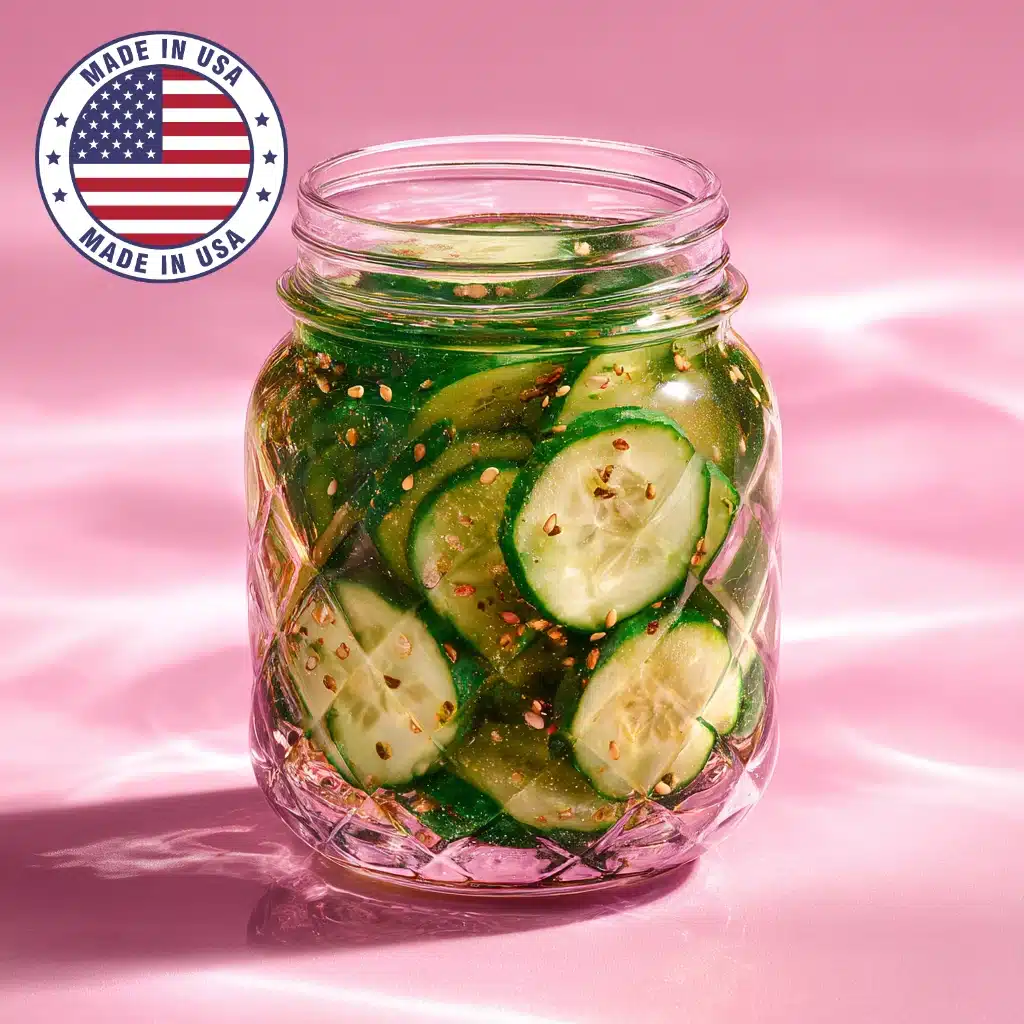
Homemade Korean Cucumber Pickles
Ingredients
Equipment
Method
- Slice the cucumbers thinly and place them in a bowl. Sprinkle with Celtic sea salt and let sit for 10 minutes to draw out excess water.
- Gently squeeze out the liquid and discard it.
- Add the gochugaru, sugar, rice vinegar, sesame oil, and minced garlic. Mix well until the cucumbers are evenly coated.
- Top with toasted sesame seeds and chopped green onions.
- Serve immediately or refrigerate for up to 3 days for deeper flavor.
Nutrition
Notes
Tried this recipe?
Let us know how it was!Questions that come to your mind:
What is Oi Muchim in Korean?
Oi Muchim (오이무침) is a Korean spicy cucumber salad made with sliced cucumbers, gochugaru (red chili flakes), garlic, sesame oil, and vinegar. It’s served cold as a refreshing banchan (side dish) that’s crisp, spicy, and slightly tangy.
What is the difference between Oi Muchim and kimchi?
Oi Muchim is a quick, fresh cucumber salad eaten right after mixing, while kimchi is fermented over days or weeks. Oi Muchim is bright and crunchy; kimchi is sour, complex, and preserved for longer shelf life.
How do you say “Oi Muchim”?
“Oi Muchim” is pronounced [oh-ee moo-cheem] in English. Oi (오이) means cucumber, and Muchim (무침) means seasoned or mixed — so together, it literally means “seasoned cucumbers.”
How do you make Korean cucumber salad with Oi Muchim?
Slice cucumbers thinly and toss with salt, garlic, gochugaru, soy sauce, sesame oil, sugar, and vinegar. Mix gently, let it sit for 5–10 minutes, then serve chilled. Adjust chili flakes and vinegar for your preferred spice and tang.
What Is Oi Muchim? A Korean Classic of Simplicity and Spice
If you’ve ever sat at a Korean table real or imagined you’ve seen Oi Muchim glistening in a small dish, the cucumbers curling slightly under the weight of their red pepper flakes. “Oi” means cucumber, and “Muchim” means “to season” or “to toss,” which is exactly what happens here: fresh cucumbers meet a quick, bold dressing of gochugaru (Korean chili flakes), rice vinegar, garlic, soy sauce, and sometimes a touch of sesame oil for warmth.
Unlike Western salads that rely on leafy greens, Oi Muchim celebrates crunch that clean snap between your teeth, a burst of spice, and the cooling rush that follows. It’s the perfect counterpoint to grilled meats, steaming rice, or a bowl of noodles.
A Dish Born from Balance
What makes Oi Muchim special isn’t just its simplicity but its sense of equilibrium. In Korean cuisine, every meal is about harmony salty against sweet, hot against cool, soft against crisp. This salad embodies that philosophy. It’s quick, yes — often made in minutes but never careless. Each ingredient plays a small but essential role in creating something far greater than the sum of its parts.