
Salt pickled lemons are lemons preserved in salt and their own juice until the peel turns soft and the flavor becomes mellow and rich. They take a few minutes to prepare and about three to four weeks to cure. New to canning jars? Start with this simple Mason jar guide.
Choosing the Best Lemons to Make Perfect Salt Pickled Lemons
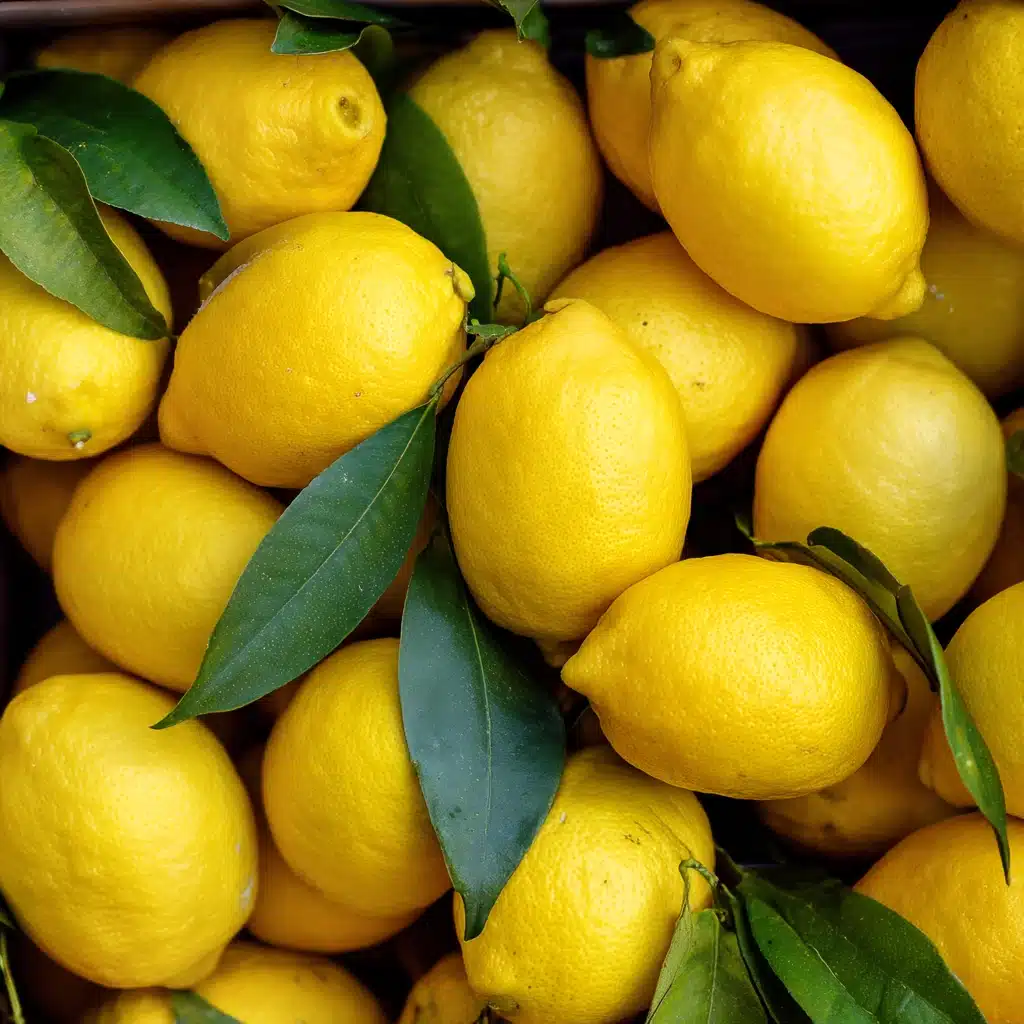
There’s a quiet sort of pleasure in standing at the market, fingers grazing over piles of lemons, searching for the ones that feel just right. When I’m making Salt pickled lemons, I’ve learned to trust the heavier fruits the ones with thin, fragrant skin and a little give when you press them gently. They’re the kind of lemonas that turn into truly memorable Salt pickled lemons, holding more juice, more life, more of that sunshine you want to capture in a jar.
What Makes a Lemon Truly “Pickling Perfect” for Salt Pickled Lemons
I still remember the first time I picked lemons for preserving. I was younger, tugging a wobbly
grocery cart, not yet aware that the smallest details could shape the flavor of an entire jar.
Look for organically grown lemons whenever possible; their skins taste cleaner and hold the
brine better. Avoid any with dull or waxy coatings they resist the salt, and the texture never
softens quite right.
Rinse them well, almost as if you’re washing the day off them. And as you line them up on
your counter, bright and eager, you’ll notice something lovely: the process of choosing
becomes part of the ritual itself. It’s a moment where cooking slows down, where your hands
decide what your heart has already chosen lemons that are ready to bloom under salt, to
become something deeper, brinier, and endlessly useful.
Inside the World of Salt pickled lemons
How to Prepare Lemons for Salting
Before the first grain of salt even touches the fruit, there’s a small transformation that
happens right on your cutting board. Preparing lemons for salting is slow, simple work the
kind that feels almost meditative. I’ve always believed that this step sets the tone for the
whole jar. You’re not just prepping citrus; you’re coaxing out its brightest, boldest self.
The Quiet Ritual of Cutting and Salting
Start by trimming the little nubs at each end of the lemon, just enough so the flesh peeks
through. Then, with a steady hand, slice the lemon lengthwise into quarters, stopping before
you cut all the way through. You want the fruit to open like a flower, still attached at the base,
ready to catch the salt in its folds. Sprinkle a generous spoonful of coarse salt inside it
should look almost snow-dusted. The salt pulls the juices forward, softening the rind in the
most miraculous way.
As you work, the air fills with that sharp, sunny scent that always reminds me of summer trips
to my aunt’s house, where lemons were more common than apples. She would hum as she
worked, leaving a glistening trail of citrus on her wooden counter. I still think of her hands
every time I press a salted lemon back into shape.
Let the prepared lemons sit for a few minutes, allowing the salt to mingle with their juices. This tiny pause gives the fruit a head start, letting the brine begin its quiet magic long before the jar is sealed. And because that magic depends so much on the vessel you choose, it’s worth paying attention to mason jar sizes and basic mason jar specifications. The right sturdy, snug-lidded jar not too large, not too small helps the lemons stay submerged, cure evenly, and turn into the kind of Salt pickled lemons that taste just as bright and comforting as you imagined they would.
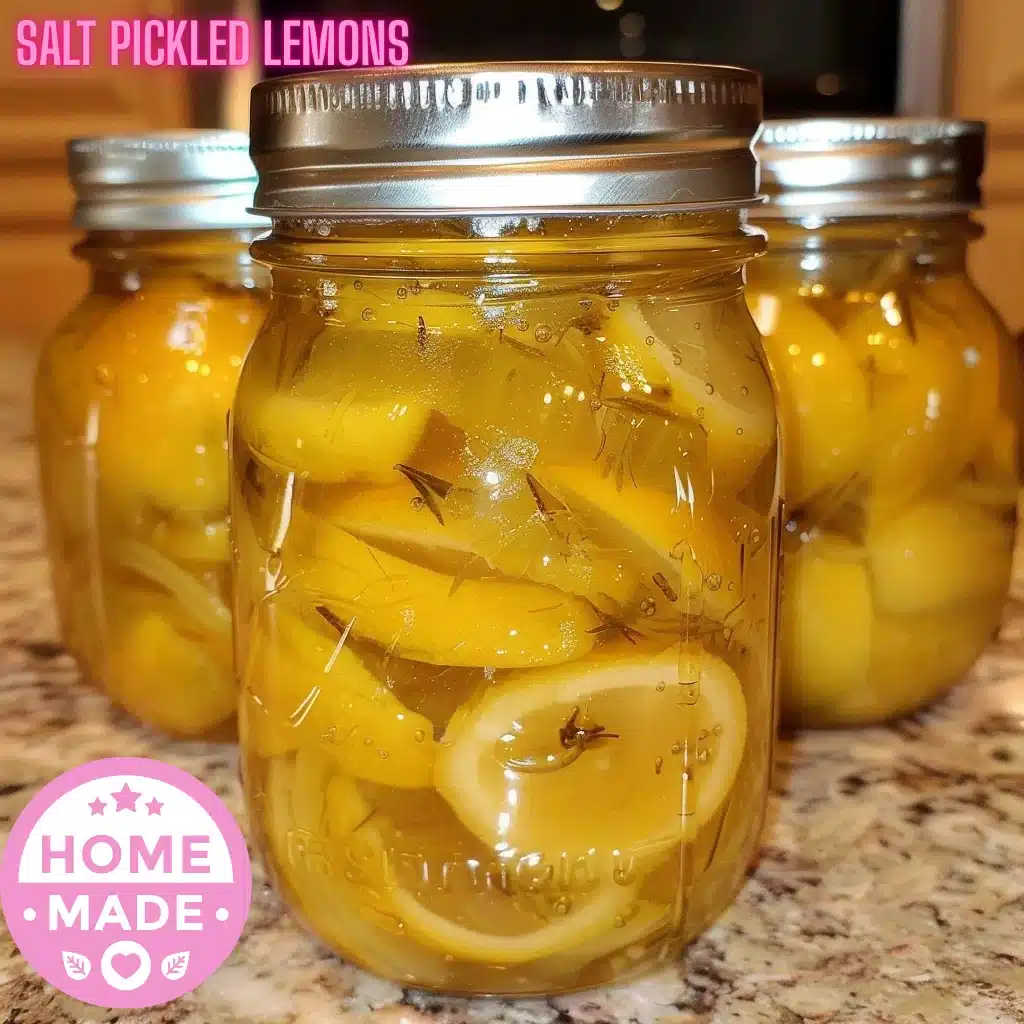
Salt Pickled Lemons
Ingredients
Equipment
Method
- Slice the lemons lengthwise into quarters, leaving the base intact so the pieces stay connected.

- Place 1 tablespoon of salt inside each lemon, then gently press the segments together.
- Layer the salted lemons tightly into a clean jar, pressing down to release juices and adding more salt between layers.
- Pour additional lemon juice into the jar until the lemons are fully submerged, then seal the jar tightly.
- Store at room temperature for 3 to 4 weeks, shaking the jar daily for the first week until the rinds soften and turn glossy.





Nutrition
Notes
Tried this recipe?
Let us know how it was!Packing the Jar: Creating the Perfect Brine
There’s something tender about the moment you finally tuck the lemons into their jar like
sending little suns off to sleep in a glass home. This step is where everything comes
together: the fruit, the salt, the slow trickle of juices that will become the brine. It always feels
like sealing up a promise you’ll open weeks later, bright and fragrant.
Layering, Pressing, and Letting the Magic Begin
Start with a clean, sterilized jar. I like to warm mine with hot water first; it feels like preparing
a cozy bed. Scatter a spoonful of coarse salt at the bottom, then nestle the first lemon down,
pressing it firmly so the juices begin to flow. Add another pinch of salt, maybe a companion
clove of garlic or a sliver of bay if your heart leans that way. Then repeat: lemon, press, salt,
a little optional spice.
As you build the layers, you’ll notice the jar slowly filling with liquid the lemons giving up
their tartness to form a brine that grows cloudier and more fragrant by the minute. By the
time the final lemon goes in, everything should be snug, with just enough space at the top for
the brine to rise.
If the lemons aren’t fully submerged, squeeze an extra lemon and pour its juice in until
everything is covered. This keeps the fruit safe, happy, and ready to transform. Seal the jar,
tuck it away in a cool corner, and give it a loving shake each day for a week. The brine will
thicken, deepen, and turn the color of morning light.
And there it is your jar of sunshine officially on its way.
How Long to Ferment and When They’re Ready
Waiting for salt pickled lemons to mature is its own kind of kitchen meditation a slow
unfolding that asks nothing more than your patience and a gentle shake of the jar now and
then. Fermentation has a way of teaching us to let go a little, to trust that time will do what
time does best: soften, deepen, transform.
The Waiting, the Watching, and the First Taste
During the first week, keep the jar somewhere cool and out of direct light. Shake it once a day to move the brine around so every part of the lemons gets salted.
After about a week the lemons will start to soften. By week three the rind should be tender enough to cut with a spoon and the brine will become thicker.
They are ready when the peel is soft all the way through and the flavor tastes rounder than fresh lemon. Many people find that four full weeks gives the best result.
How to Use Salt Pickled Lemons in Everyday Cooking
The first time you spoon a piece of salt pickled lemon into a pan, you’ll understand why
cooks treat them like treasure. Their flavor is bright yet mellow, salty yet floral a kind of
citrus confidence that slips into a dish and quietly elevates everything around it. Once you
have a jar in your kitchen, it’s hard not to reach for it daily.
Little Ways to Add Big Flavor
Mince the softened peel and stir it into warm grains such as couscous, farro or rice. A small amount also brightens soups, stews and roast chicken.
Try slipping a thin slice under the skin of a chicken before roasting, adding chopped peel to slow-cooked chickpeas, or whisking a little brine into a dressing with olive oil and garlic. Even a simple tuna salad benefits from a small chopped piece.
Storing, Shelf Life, and Safety Tips
Once your salt pickled lemons are tucked into their briny bath and fully transformed, caring
for them becomes wonderfully simple. These jars are sturdy little companions resilient,
long-lasting, and forgiving but a few thoughtful habits will keep them tasting bright and
safe for months, even years.
Keeping Your Jar Happy and Your Kitchen Confident
Store the jar in a cool, dark place once the fermentation settles a pantry shelf, a quiet
cupboard, anywhere away from direct sunlight. After you open the jar for the first time, move
it to the refrigerator. The cold slows everything down, preserving the lemons’ texture and that
silky, fragrant brine.
Always use a clean spoon when dipping in. It’s a tiny gesture, almost ceremonial, but it
protects the balance of the brine. Any time a lemon piece peeks above the liquid line, gently
press it back down or top off the jar with a squeeze of fresh lemon juice. The fruit should
always be submerged; that’s how they stay safe and beautifully preserved.
If you ever notice mold, off smells, or bubbling long after fermentation has finished, it’s time
to let the jar go. Trust your senses they know more than we give them credit for. But
truthfully, well-made pickled lemons are dependable. I’ve kept jars for over a year, dipping in
occasionally for a spoonful of brightness during the darker months.
Handled with care, they become something almost timeless: sunshine bottled, waiting for the
day you need a spark of flavor or comfort.
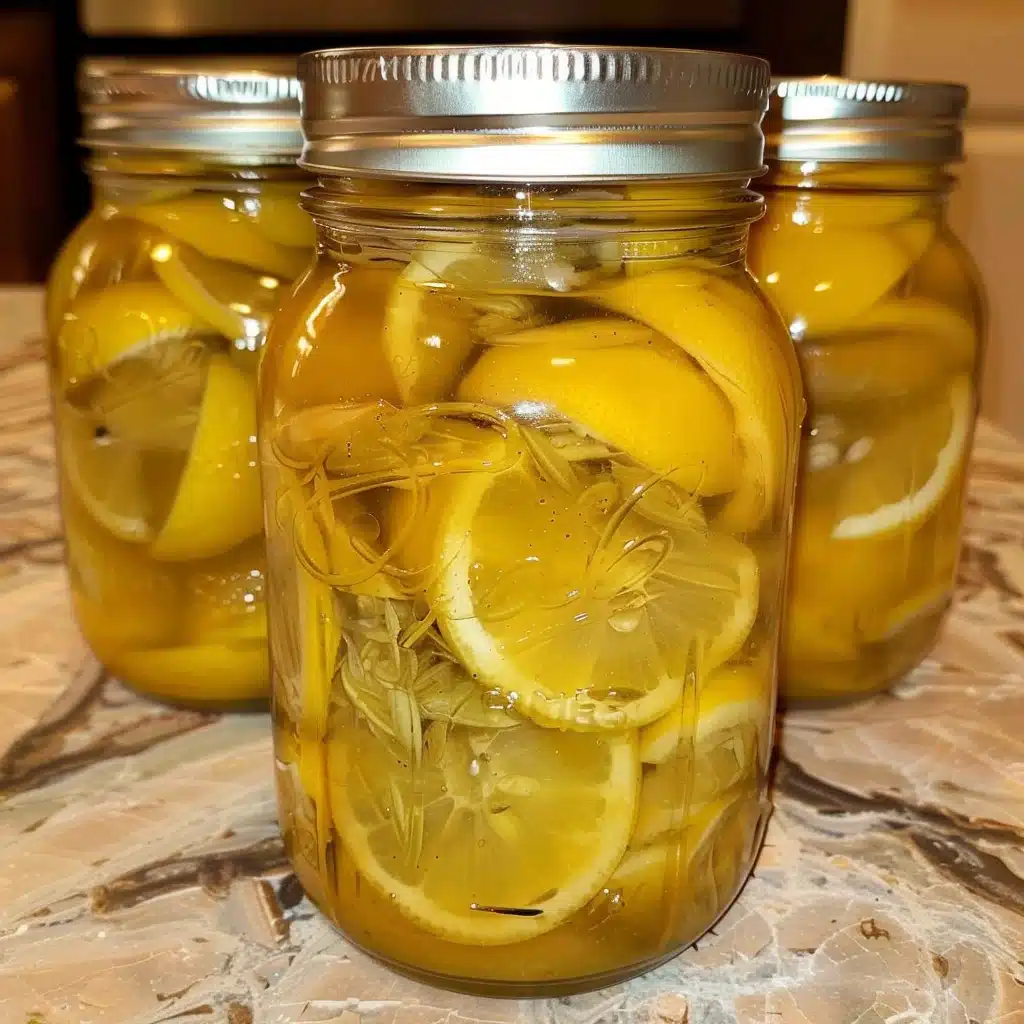
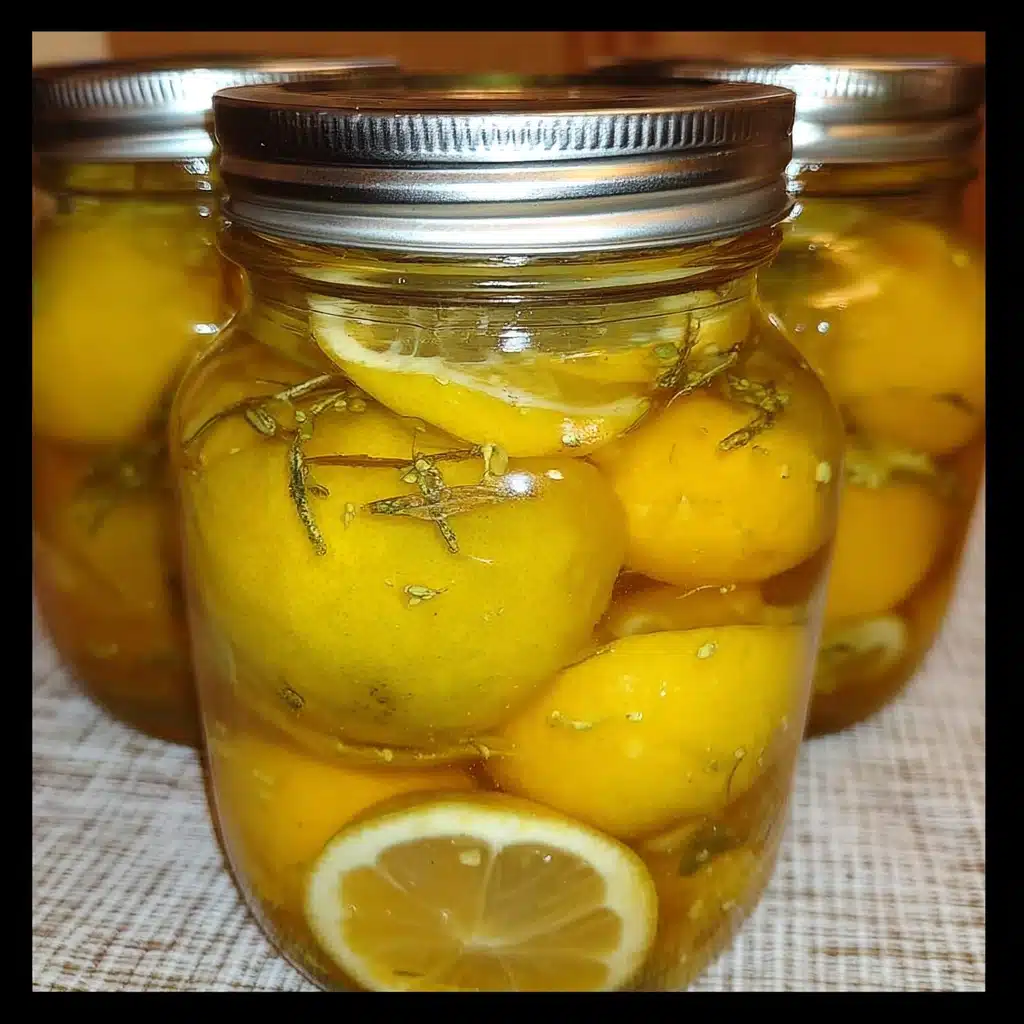
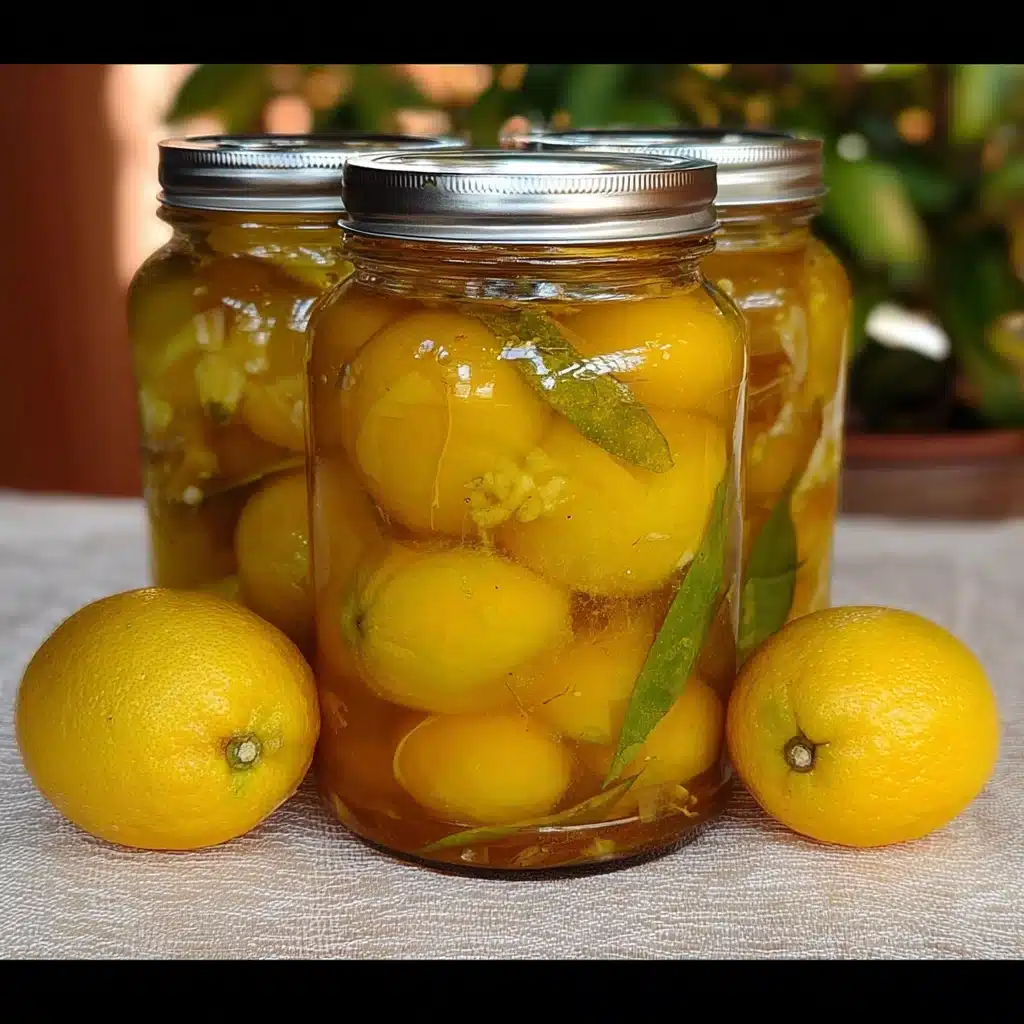
Why Salt Pickled Lemons Taste So Special
Every time I open a jar of salt pickled lemons, I’m reminded that flavor isn’t just about
ingredients it’s about transformation. Something happens during those quiet weeks of
fermentation, something slow and soulful that no fresh lemon could ever mimic. The rind
softens, the bitterness melts away, and the citrus deepens into a flavor that feels round and
almost mysterious.
The Alchemy of Salt, Time, and Memory
Salt draws out the lemon’s juices first, turning them into a glossy brine. But as the days pass,
the process shifts. The natural oils in the peel bloom into the liquid, creating a fragrance that
smells like both sunshine and comfort bright yet softened, bold yet gentle. It’s the kind of
scent that takes you somewhere: a kitchen filled with warmth, a dish shared with people you
love, a memory wrapped in steam and citrus.
What makes them taste so special is the balance. They’re salty, yes, but also sweet in a way
only fermentation can create a quiet sweetness that feels earned. There’s depth, too, like
the flavor remembers where it came from. I’ve always thought the best pickled lemons taste
like patience itself, like the joy of waiting for something wonderful and finally receiving it.
And maybe that’s why they feel so magical to cook with. They don’t just brighten a meal; they
soften it, warm it, make it feel cared-for. In a way, every jar carries its own little story of
time, of transformation, of citrus turned tender.
Bringing a Little Sunshine Into Your Kitchen
There’s a moment usually sometime in late winter, when the sky feels a little gray and
dinner feels like a chore when I reach for the jar of salt pickled lemons and remember why
I make them in the first place. It’s not just for the flavor, though that alone can lift even the
sleepiest stew. It’s the feeling of opening something you tended weeks ago, something you
built slowly and with care, and letting it brighten your cooking in the most effortless way.
The Joy You Tuck Into a Jar
Every jar carries its own quiet story: the lemons you chose, the day you salted them, the tiny
shake you gave them each morning like a small greeting. And when you finally stir that
softened peel into a dish, it’s as if all those moments find their way into the pot too. The flavor
warms, deepens, softens but so does the cook.
I’ve always believed that the best kitchen rituals are the ones that ask almost nothing of us
yet give so much in return. Salt pickled lemons are exactly that. They wait, patiently, until the
day you need a spark a little light, a little brightness, a little reminder that even the
simplest ingredients can carry a kind of magic.
Salt pickled lemons need only citrus, salt and time. If you enjoy simple jar recipes like this one, you may also like these Korean Cucumber Pickles.
Frequently Asked Questions About Salt Pickled Lemons
1. How do you make Salt pickled lemons ?
Salt pickled lemons begins with fresh, thin-skinned lemons. You quarter them without cutting all the way through, pack them generously with coarse salt, and press them tightly into a sterilized jar. Add extra lemon juice so everything stays submerged, then let the jar rest in a cool place for a few weeks. The lemons soften, the brine deepens, and suddenly you’ve created a bright, briny pantry treasure.
2. How do you pickle lemons in salt?
To pickle lemons in salt, you coat the inside of each cut lemon with coarse salt and layer them in a jar. The salt pulls out the juices, creating its own natural brine. Over time, the lemons ferment gently, turning tender and deeply fragrant.
3. What does putting salt on a lemon do?
Salt draws moisture out of the lemon, softening the rind and mellowing the sharp acidity. As the juices combine with the salt, they form a brine that preserves the fruit. This slow transformation changes fresh citrus into something savory, silky, and beautifully complex.
4. What is the salt ratio for preserved lemons?
A good rule of thumb is 1 tablespoon of coarse salt per medium lemon, plus extra for layering the jar. The exact amount doesn’t need to be perfect preserved lemons are wonderfully forgiving but enough salt is essential for safe fermentation and great flavor.
5. How long do Salt pickled lemons last?
Salt pickled lemons can last 12 to 18 months when they’re properly preserved and fully submerged in their brine. As long as they stay below the liquid, smell fresh, and look clean, Salt pickled lemons remain safe to use and their flavor continues to deepen over time.